What Is The Ideal Dissolved Oxygen Level For A Pond?

Oxygen does more than just keep fish breathing. Fish need oxygen to breathe, but your pond's bacteria need it to 'eat' the sludge. Don't settle for 'enough to survive'—aim for 'enough to thrive'. This technical guide examines the mechanical, biological, and chemical frameworks of Dissolved Oxygen (DO) in aquatic ecosystems, focusing on data-driven optimization for pond health. Dissolved oxygen is the primary limiting factor in any closed-loop aquatic system. While atmospheric air contains approximately 21% oxygen, the concentration of oxygen that can actually dissolve into water is measured in milligrams per liter (mg/L) or parts per million (ppm). These concentrations...

How To Tell If Your Pond Is Overloaded With Nutrients

Is your pond out of control? Too much nitrogen and phosphorus leads to biological chaos. If your pond looks like thick soup, it's overloaded. Here is how to restore order using aeration and bacteria. Managing a pond ecosystem requires a shift from viewing the water as a static feature to seeing it as a complex biochemical reactor. When external inputs exceed the system's natural assimilation capacity, the result is a rapid decline in water quality characterized by algae blooms and muck accumulation. Restoring balance involves a two-pronged mechanical and biological approach. Aeration provides the necessary oxygen to drive aerobic processes,...

Why Your Pond Develops A Rotten Egg Smell

That smell is a warning sign your pond is dying. When water sits still, it loses oxygen. Anaerobic bacteria take over and produce hydrogen sulfide—that rotten egg smell. Aeration keeps the water moving so it stays fresh. Stagnation in any aquatic system triggers a shift in metabolic pathways. In a healthy, well-oxygenated environment, aerobic microbes decompose organic matter into carbon dioxide and water. This process is efficient and odorless. However, when dissolved oxygen (DO) levels drop below a critical threshold—typically 2.0 mg/L—the system enters an anoxic state. This shift favors anaerobic organisms that utilize alternative electron acceptors for respiration. Sulfates...

The Best Pond Aeration Setup For Fish Ponds

Don't let your fish swim in their own waste. Fish ponds produce massive amounts of waste. Without oxygen, that waste becomes toxic. With aeration, that waste becomes the fuel for a healthy ecosystem. In a closed aquatic environment, the biological demand for oxygen (BOD) often outpaces natural atmospheric diffusion. When dissolved oxygen (DO) levels drop below critical thresholds, the biological processes responsible for waste conversion shift from efficient aerobic pathways to slow, toxic anaerobic ones. This article provides a technical analysis of how to engineer the optimal aeration setup to maintain peak water quality and fish health. The Best Pond...

Why Surface Aerators Fail In Deep Ponds

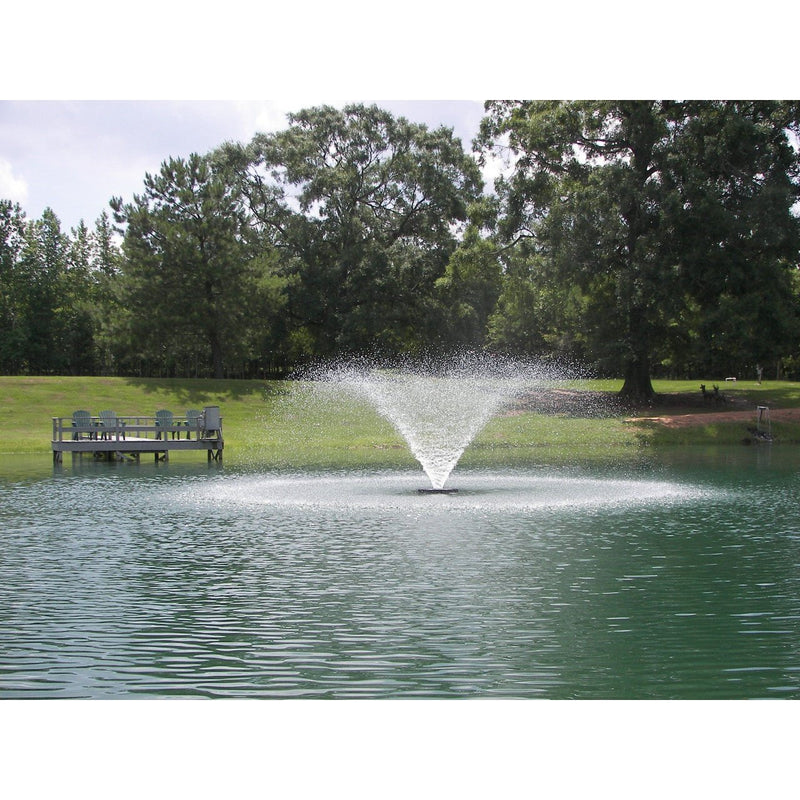
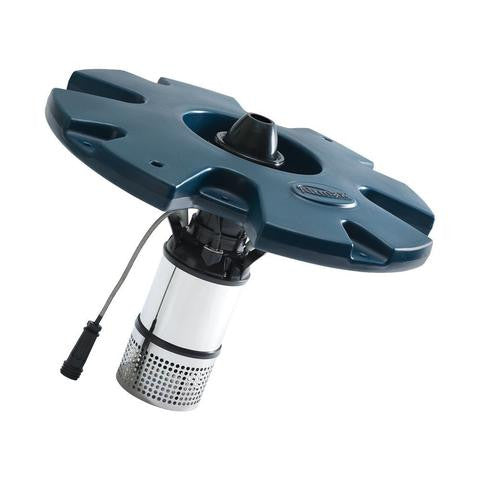
Splashing the surface won't save the fish at the bottom. Fountains look pretty, but in deep ponds, they leave the bottom water 'dead' and oxygen-depleted. You need to move the water from the floor up, not the top down. Successful pond management depends on understanding the mechanical and biological limitations of surface-level agitation. While a decorative fountain provides aesthetic value and localized surface gas exchange, it fails to address the fundamental issue of thermal stratification in deep water bodies. For any system deeper than six to eight feet, the physics of water density creates a physical barrier that prevents surface-level...

The Real Difference Between Pond Aerators And Fountains

One looks pretty; the other keeps your pond alive. Do you know which is which? Don't mistake a pretty splash for a healthy pond. If you want a clear, muck-free pond, you need to think from the bottom up. Most pond owners invest in surface displays without understanding the mechanical requirements of a balanced aquatic ecosystem. While a fountain provides a visual centerpiece, it often fails to address the underlying biological demands of deep-water environments. Dissolved oxygen (DO) is the primary metric for pond stability. Without sufficient DO, the biological processes required to break down organic waste shift from efficient...