Calculating the ROI of Upgrading from Surface Fountains to Diffused Aeration

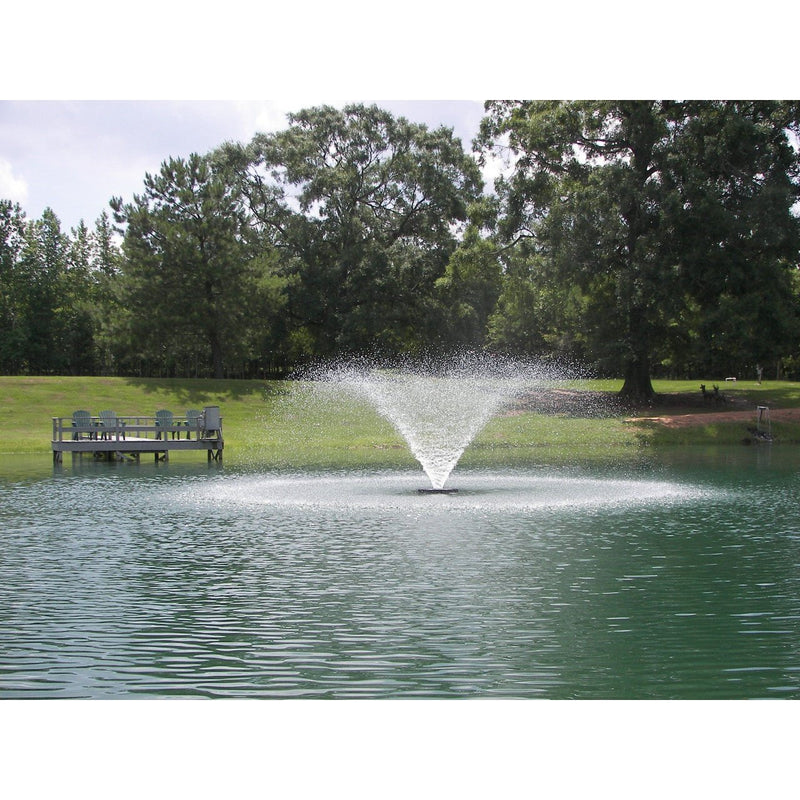
Surface fountains look nice, but diffused aeration actually works. Invest in results, not just decor. Stop fixing the surface while the bottom rots. Discover why the ROI of diffused aeration beats surface fountains every time. Property owners often prioritize visual appeal when managing a pond or lake. A floating fountain provides a dramatic spray pattern and an audible splash that suggests a healthy, active ecosystem. However, mechanical surface agitation is an inefficient method for deep-water oxygenation. Most decorative fountains only circulate the top few feet of the water column, leaving the bottom layers to become stagnant and anoxic. Diffused aeration...

How to Clean Diffuser Membranes Without Damaging Oxygen Transfer Efficiency

A 'clean' membrane is useless if you've destroyed its ability to transfer oxygen. Most operators destroy their OTE while trying to save it. Here is how to clean for longevity, not just for looks. The primary objective of any aeration system is the efficient transfer of oxygen from the gaseous phase to the liquid phase. In a wastewater treatment facility, the aeration process typically accounts for 45% to 75% of total electrical energy consumption. While the visual appearance of a diffuser membrane may seem like a secondary concern, the accumulation of organic and inorganic foulants creates a physical barrier that...

Top 7 Aeration System Mistakes That Lead to Anaerobic 'Dead Zones'

Is your aeration layout creating hidden dead spots? Bad placement and poor sizing don't just waste energy—they create toxic pockets of anaerobic sludge. Here is how to fix it. Aeration systems are the primary energy consumers in most industrial and municipal wastewater treatment plants, often accounting for 45% to 75% of total electrical expenditure. Despite this importance, many systems are designed using generic "rules of thumb" that fail to account for the fluid dynamics and chemical complexities of the specific waste stream. When an aeration layout is improperly configured, it results in uneven oxygen distribution, leading to the formation of...

Fine Bubble vs. Coarse Bubble Diffusers: Which is Right for Your Application?

One moves water. The other feeds it. Coarse bubbles have their place, but fine bubbles are the kings of efficiency. Which one does your specific application actually require? Aeration is the single most energy-intensive process in municipal and industrial wastewater treatment. In many facilities, the aeration system accounts for 45% to 75% of the total electricity demand. Choosing between fine bubble and coarse bubble diffusers is not merely a matter of hardware preference; it is a fundamental decision that dictates the operational costs, maintenance schedules, and biological performance of the entire plant. Technical efficiency in aeration is measured by how...

Mobile Aeration Units: Emergency Dissolved Oxygen Solutions for Fish Kills

Don't let your investment die because of a power outage. When the grid goes down or a bloom crashes, you don't have days—you have hours. Mobile aeration is the emergency room for your ecosystem. In high-density aquaculture and managed pond environments, the margin for error is razor-thin. Dissolved oxygen (DO) levels fluctuate based on temperature, biomass density, and photosynthetic activity. When the balance shifts, the resulting hypoxia can liquidate years of growth in a single night. Mobile aeration units (MAUs) serve as the primary defensive line against acute respiratory distress in aquatic populations. Unlike fixed systems, these units are designed...

The Impact of Water Temperature on Oxygen Saturation: A Seasonal Guide

When temperature rises, oxygen flees. Are you ready? Physics is non-negotiable. As water heats up, its capacity to hold oxygen drops. This seasonal guide shows you how to fight back. Biological systems depend on dissolved oxygen (DO) to drive metabolic processes and maintain aerobic conditions. When thermal energy increases within a liquid medium, the kinetic energy of gas molecules also rises, leading to a higher rate of escape from the liquid surface. This physical reality dictates the operational parameters of every pond, wastewater lagoon, and aquaculture facility. Managing these fluctuations requires a precise understanding of gas solubility laws and aeration...