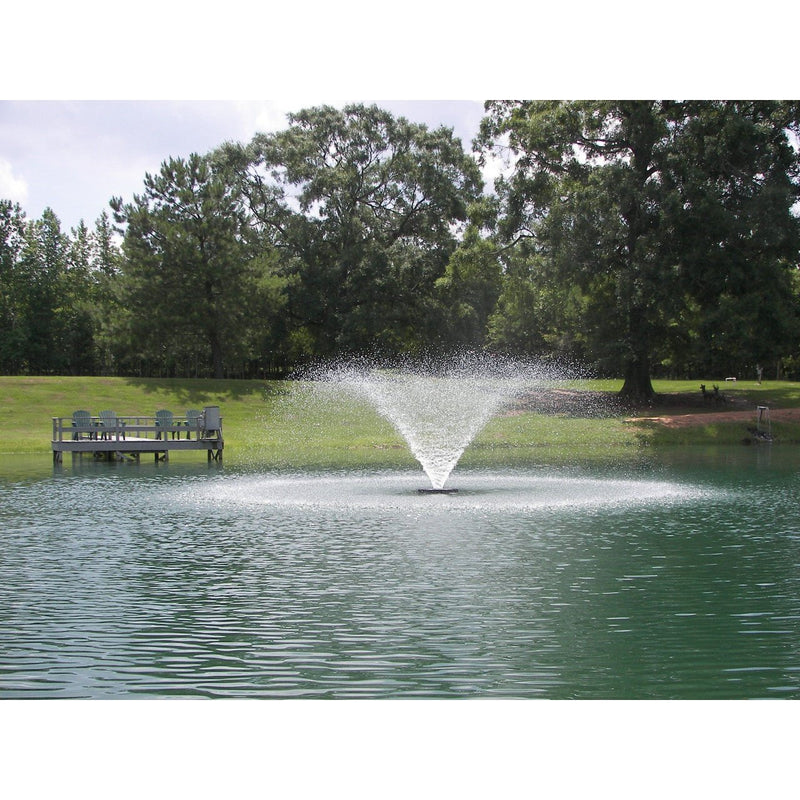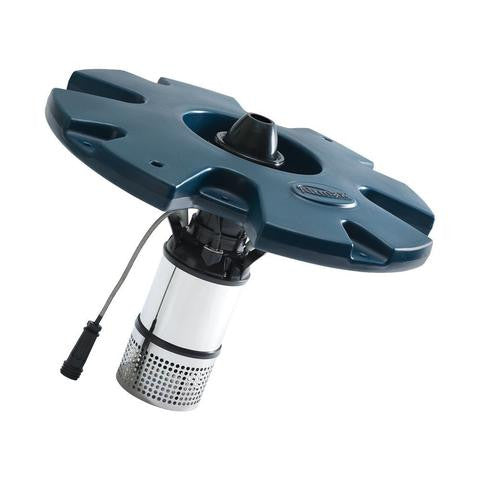
The Truth About Pond Fountains: Do They Really Aerate Water?

A pretty fountain isn't always a healthy pond. Fountains look great, but do they actually breathe life into your pond? The answer depends on where the air is going. While the visual appeal of a spray pattern is undeniable, the mechanical efficiency of these systems often falls short of meeting the biological demands of a complex aquatic ecosystem. Understanding the distinction between surface agitation and deep-water gas exchange is critical for any pond manager or property owner. The aesthetic value of a water feature must be weighed against the functional necessity of dissolved oxygen (DO) levels, especially in deeper water...

The Best Pond Aeration Setup For Ponds With Heavy Algae Problems

Turn your green eyesore into a blue oasis. Algae is a nuisance caused by low oxygen and high nutrients. Optimizing your aeration setup turns that green mess into a valuable property asset. Clear water is just a few bubbles away. Aquatic ecosystems with high nutrient loads, specifically phosphorus and nitrogen, frequently experience uncontrolled algal proliferation. This condition, known as eutrophication, often results in a feedback loop where decaying organic matter consumes dissolved oxygen (DO), triggering further nutrient release from bottom sediments. Implementing a robust aeration strategy is the primary mechanical method for breaking this cycle. The Best Pond Aeration Setup...

Can Ultrasonic Algae Control Replace Chemicals In Ponds?

The era of toxic algae treatment is over. In the past, we relied on heavy metals to kill algae. Now, we use ultrasonic frequencies to pop algae cells without harming fish or plants. It is the smartest way to keep your pond clear. Managing water quality in ponds and reservoirs has historically required an aggressive chemical approach. Traditional methods typically involve the application of copper sulfate or synthetic algaecides. While effective in the short term, these substances introduce heavy metals and toxins into the aquatic ecosystem, often leading to secondary environmental degradation. Ultrasonic algae control represents a shift toward mechanical...

Do Beneficial Pond Bacteria Actually Work? What The Science Says

Stop fighting nature and start working with it. Why use harsh synthetics when biology does it better? Beneficial bacteria consume the excess nutrients that cause algae. It is the difference between a temporary chemical fix and a long-term natural solution. Maintaining a pond ecosystem requires a transition from reactive chemical management to proactive biological optimization. Conventional algaecides offer rapid oxidation of photosynthetic organisms but fail to address the underlying nutrient loading. This creates a cycle of dependency known as Chemical Dependency vs Biological Balance. By introducing specific microbial strains, a pond manager can establish a self-regulating nitrogen cycle and facilitate...

What Hydrogen Sulfide Gas Does To Ponds And How Aeration Helps

That rotten egg smell is a warning sign of a dying pond. Hydrogen sulfide is a silent killer in stagnant ponds. Aeration turns a 'Dead Zone' of toxic muck into a 'Living' ecosystem by stripping out gases and fueling aerobic bacteria. Breathe life back into your water. Aquatic health depends on a delicate balance of dissolved gases and microbial activity. When a pond loses its oxygen supply, the biological processes shift from aerobic respiration to anaerobic fermentation. This transition creates a hostile environment where toxic gases accumulate, primarily hydrogen sulfide (H2S). Understanding the mechanical and chemical mechanisms behind gas accumulation...

The Most Common Pond Aeration Mistakes Pond Owners Make

Stop fighting your pond and start supporting it. These 5 mistakes are costing you money and clarity. Most pond owners over-treat and under-aerate. We’ve compiled the most common errors that lead to failed systems and frustrated owners. The biological health of a pond is fundamentally linked to its dissolved oxygen (DO) levels and turnover rate. When these parameters fall below critical thresholds, aerobic decomposition ceases and is replaced by anaerobic processes. This transition results in the accumulation of organic muck and the release of metabolic byproducts like hydrogen sulfide. Understanding the mechanical requirements of aeration is the first step toward...