

Fall Pond Maintenance Tips To Reduce Algae Next Year
Today's 'mess' is either next year's algae bloom or next year's garden harvest. Every leaf that sinks in November is a fertilizer pellet for algae in April. Pull the nutrients out of the water and put them into your compost pile where they belong.
Managing an aquatic ecosystem requires an objective understanding of nutrient cycling and biomass accumulation. In closed-loop systems like backyard ponds, the input of organic matter during autumn represents a significant shift in chemical equilibrium. If left unmanaged, this organic load undergoes decomposition, releasing orthophosphates and nitrogenous compounds that fuel opportunistic algae species once water temperatures exceed 50°F (10°C) in the spring.
The transition from "The Algae Fuel" in the water to "The Garden Gold" in the compost pile is a mechanical process of nutrient export. By physically removing the carbon and nitrogen sources before they enter the anaerobic decomposition phase, you effectively starve the next season's algae bloom at its source. This technical guide outlines the protocols for optimizing fall pond maintenance to ensure biological stability and water clarity through the next calendar year.
Fall Pond Maintenance Tips To Reduce Algae Next Year
Fall pond maintenance is the systematic reduction of a pond's total organic load to prevent eutrophication. Eutrophication occurs when a body of water becomes overly enriched with minerals and nutrients, leading to excessive growth of plants and algae. In a pond environment, the primary drivers of this process are allochthonous inputs—external organic materials such as deciduous leaves, pine needles, and dying marginal vegetation.
When these materials enter the water column, they increase the Biochemical Oxygen Demand (BOD). BOD is a metric that quantifies the amount of dissolved oxygen (DO) required by aerobic microorganisms to break down organic matter in a given water sample at a specific temperature. High levels of leaf litter result in high BOD, which can deplete DO levels, particularly under ice cover where gas exchange with the atmosphere is restricted.
This maintenance protocol is critical for both lined and earthen ponds where natural flushing rates are low. In real-world application, a single mature oak tree can drop approximately 50 to 100 pounds of dry leaf matter. If 20% of that biomass enters a 2,000-gallon pond, the resulting nutrient spike is equivalent to several pounds of high-nitrogen fertilizer. By extracting this biomass before it decomposes, you are removing the raw ingredients for filamentous algae and planktonic blooms.
How to Implement Mechanical and Biological Nutrient Export
The process of preparing a pond for winter involves three primary phases: physical extraction, metabolic adjustment, and mechanical optimization. Following these steps ensures that the system remains aerobic and nutrient-poor through the dormant season.
1. Physical Biomass Extraction
The most efficient method of nutrient management is the physical removal of organic solids. Use a fine-mesh skimmer net or a dedicated pond vacuum to extract sludge and submerged debris. Prune all marginal and aquatic plants back to approximately 2 to 3 inches above the crown. This prevents the "collapse" of plant tissue into the water, which occurs after the first hard frost.
2. Biological Augmentation with Psychrophilic Bacteria
Standard nitrifying bacteria (such as Nitrosomonas and Nitrobacter) experience a significant metabolic decline as temperatures drop below 55°F. To maintain waste processing, introduce psychrophilic or "cold-weather" bacterial strains. These microbes are genetically adapted to remain active in temperatures as low as 35°F. They continue to mineralize organic sludge and sequester phosphorus into microbial biomass, preventing these nutrients from remaining bioavailable in the water column.
3. Mechanical Filtration Adjustments
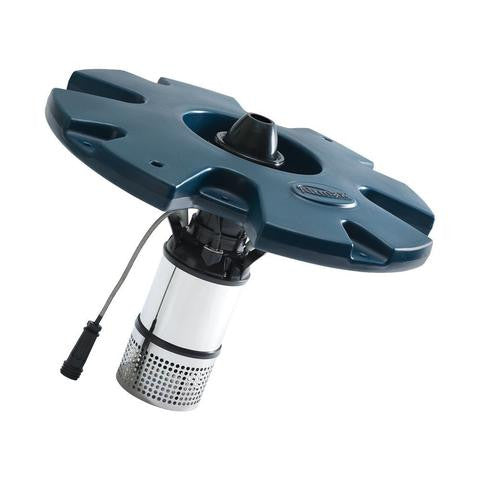
As the metabolic rates of fish decrease, the necessity for high-volume biological filtration also shifts. However, mechanical filtration should remain active as long as ice formation allows. If the pond is shallow enough to freeze solid, pumps must be pulled to prevent damage. In deeper ponds, moving the pump intake closer to the surface helps maintain a "hole" in the ice for gas exchange without disturbing the warmer, denser water (the thermocline) at the bottom where fish congregate.
Benefits of Aggressive Fall Nutrient Management
Implementing a rigorous maintenance schedule in November yields measurable improvements in water chemistry and ecosystem health.
- Reduction in Orthophosphate Levels: Phosphorus is the limiting nutrient for most algae species. Removing leaves prevents the release of phosphates that occur during cell wall degradation.
- Enhanced Dissolved Oxygen Stability: Lowering the organic load reduces the BOD. This ensures that the DO levels remain within the 5–8 mg/L range necessary for fish survival, even if the pond is sealed by ice for extended periods.
- Mitigation of Hydrogen Sulfide Accumulation: Anaerobic decomposition of organic muck at the pond bottom produces hydrogen sulfide (H2S), which is highly toxic to aquatic life. Extraction of sludge eliminates the substrate for H2S-producing bacteria.
- Reduced Spring Labor: A clean pond in autumn requires significantly less "shock" treatment or manual scrubbing in April, as there is no accumulated sludge to fuel rapid algae growth.
Challenges and Common Pitfalls in Winter Transitions
Errors in fall maintenance often stem from a misunderstanding of aquatic thermodynamics and microbial kinetics.
One frequent mistake is **overfeeding during the metabolic slowdown**. When water temperatures drop below 50°F, the digestive systems of ectothermic organisms like Koi and Goldfish virtually cease. Any food introduced at this stage remains undigested in the gut or enters the water as raw organic waste, directly contributing to the spring nutrient spike.
Another challenge is the **incomplete removal of tannins**. Leaves from certain species, such as Oak or Walnut, contain high concentrations of tannic acid. If these leaves are allowed to soak, they tea-stain the water and lower the pH. While the color itself is not always toxic, the sudden drop in alkalinity can destabilize the nitrogen cycle and stress the pond's inhabitants.
Finally, **inadequate aeration** during the first freeze is a common failure point. A pond that is completely sealed by ice traps carbon dioxide and methane while preventing oxygen entry. Even a small "pocket" of decomposition can lead to a total system crash if there is no path for gas escape.
Limitations of Standard Maintenance Protocols
While the steps outlined are effective for most residential ponds, certain variables limit their efficacy.
Pond Depth and Volume: Shallow ponds (under 24 inches) are more susceptible to rapid temperature swings and complete freezing. In these systems, mechanical removal is the only reliable way to prevent a winter kill, as biological activity is too suppressed by the lack of thermal mass.
High Sediment Loads: In ponds with high existing sludge layers (over 3 inches), simple netting and bacterial additives may be insufficient. These systems may require professional dredging or high-suction vacuuming to reset the nutrient baseline.
Water Hardness and pH: Ponds with very low carbonate hardness (KH) are prone to "pH crashes" during the decomposition of winter debris. In such cases, the chemical instability may override the benefits of biomass removal if the water chemistry is not buffered simultaneously.
Comparison: Manual Extraction vs. Chemical Suppression
Understanding the efficiency of manual nutrient export compared to chemical algaecides is vital for long-term management.
| Metric | Manual Extraction (Garden Gold) | Chemical Algaecides (Algae Fuel) |
|---|---|---|
| Nutrient Status | Removes nutrients from the system permanently. | Kills algae but leaves nutrients in the water to recycle. |
| Oxygen Impact | Increases DO availability by reducing BOD. | Can cause DO crashes as dead algae decomposes. |
| Cost Efficiency | High initial labor; zero chemical cost. | Low labor; recurring chemical expense. |
| Ecological Value | Provides high-nitrogen compost for land use. | No byproduct; may leave chemical residues. |
Practical Best Practices for Nutrient Export
To maximize the efficiency of your fall maintenance, adhere to the following technical standards:
- Netting Specifications: Use a polyethylene net with a mesh size no larger than 1/4 inch. This is small enough to catch maple seeds and pine needles, which are often overlooked but contain significant nutrient density.
- Temperature Monitoring: Use a submersible thermometer. Switch to a wheat-germ-based, low-protein food once water stays below 60°F. Cease all feeding when temperatures hit 50°F.
- Compost Integration: When removing pond sludge, mix it with "brown" carbon sources like shredded cardboard or dry straw. The "green" pond waste is high in nitrogen, creating an ideal 30:1 C:N ratio for rapid composting.
- Aeration Placement: Do not place aerator stones at the deepest part of the pond in winter. This can cause "super-cooling" of the water. Instead, place them 12 inches below the surface to maintain an opening in the ice.
Advanced Considerations: Redox Potential and Nutrient Sequestration
For the advanced practitioner, monitoring the Reduction-Oxidation (Redox) potential of the pond water provides a high-resolution view of the system's health. Redox potential, measured in millivolts (mV), indicates the water's ability to cleanse itself. A high positive redox value (above 250 mV) suggests an oxidizing environment where organic matter is efficiently broken down.
In contrast, a low or negative redox value indicates a reducing environment where anaerobic processes dominate, leading to ammonia buildup and phosphate release from the sediment. Fall maintenance is essentially an exercise in maintaining a high redox potential. By removing the carbon-rich "mess" and introducing psychrophilic bacteria, you ensure that the water's oxidative capacity remains high enough to handle the metabolic byproducts of fish throughout the winter.
Scenario: Calculating the Nutrient Load of Leaf Litter
Consider a 2,500-gallon pond with a surface area of 150 square feet. If 10% of that surface is covered by a 1-inch layer of wet leaves that eventually sinks, you are introducing approximately 12 pounds of organic biomass.
As these leaves decompose, they can release roughly 0.05 pounds of pure phosphorus. While this number seems small, algae can grow at a ratio of 100:1 (Carbon to Phosphorus). This means 0.05 pounds of phosphorus can potentially fuel up to 5 pounds of dry-weight algae in the spring. Removing those 12 pounds of leaves in November prevents the production of 5 pounds of algae in April.
Final Thoughts
Effective fall pond maintenance is not a matter of aesthetics; it is a calculated intervention in the nitrogen and phosphorus cycles. By viewing every fallen leaf as a unit of potential algae growth, the practitioner can transition from reactive chemical treatments to proactive mechanical nutrient management. Extraction of biomass represents the most reliable method for maintaining high dissolved oxygen levels and low nutrient concentrations through the winter months.
The systematic removal of organic waste provides the dual benefit of protecting the aquatic ecosystem while enriching the terrestrial garden. When the "mess" of November is converted into compost, it serves as a slow-release fertilizer that is safely sequestered in the soil rather than dissolved in the water.
Serious pond owners who prioritize these technical protocols will find their systems more resilient to seasonal changes. Experimenting with different psychrophilic bacterial strains and refining mechanical extraction techniques will lead to a deeper understanding of the unique biological demands of your specific water feature. Focus on the data of nutrient loading today to ensure the efficiency of your ecosystem tomorrow.