Eliminating Pond Thermoclines With Aeration

Is your pond a layered cake of toxic gases and heat, or a single living organism? Summer heat creates a static 'thermocline'—a barrier that traps toxic gases at the bottom and heat at the top. Dynamic aeration breaks this barrier, forcing the pond to breathe as one. Don't let your pond suffocate in its own layers. Thermal stratification is a physical phenomenon where water separates into distinct layers based on density gradients. In a typical temperate climate, this occurs as the solar radiation of summer heats the upper water column. Because water reaches its maximum density at 39.2°F (4°C), the...

Best Winter Pond Aeration Systems

Stop buying a new 'solution' every November; start investing in a system your grandkids will still be using. Disposable pond heaters are the 'fast fashion' of the water world. They break, they clog, and they end up in landfills. A legacy diffusion system isn't just a tool; it's an heirloom for your ecosystem that works harder and lasts longer. Winter pond management requires a shift from aesthetic maintenance to critical life-support engineering. When ice forms over a static body of water, it creates a sealed environment where gas exchange is effectively halted. Dissolved oxygen levels begin a steady decline while...

When To Start Pond Aeration In Spring

Starting your aerator on the first warm day of spring could be the deadliest mistake you make this year. Most pond owners think 'more air is better' as soon as the ice melts. But flipping the switch too fast triggers a 'turnover'—mixing toxic bottom gases with the surface water. Precision timing saves your fish; blind luck kills them. Managing a pond requires a fundamental understanding of limnology and fluid dynamics. When ice covers a pond, the water body undergoes a period of stagnation. During this phase, organic matter continues to decompose on the pond floor through anaerobic processes. These processes...

How To Clear Pond Algae Without Chemicals

You can spend your entire Saturday fighting the pond, or you can let the water clean itself. Physical removal is a treadmill that never ends. Positioning your aeration diffusers to create a 'rotary current' turns your pond into a self-cleaning machine that moves debris to you, instead of you chasing it. This shift from manual labor to mechanical optimization addresses the root cause of pond degradation rather than just the visual symptoms. Pond maintenance often relies on reactive measures like raking or copper-based algaecides. These methods provide temporary relief but fail to address the underlying nutrient load. A rotary current...

How To Cool Pond Water In Summer

Why pay a $200 electric bill to cool a pond that nature can chill for free? Modern pond management relies on high-energy chillers that fight the sun. Ancestral wisdom uses deep-water aeration to pull cool air into the depths and leverages biological shade to keep the thermometer down. One is a bill; the other is a habitat. Managing water temperature in an outdoor aquatic system is an exercise in thermodynamics. For the pond owner, the transition into summer brings a critical challenge: as water temperature increases, its capacity to hold dissolved oxygen (DO) decreases. This inverse relationship creates a physiological...

Deep Water Aeration Vs Surface Fountains

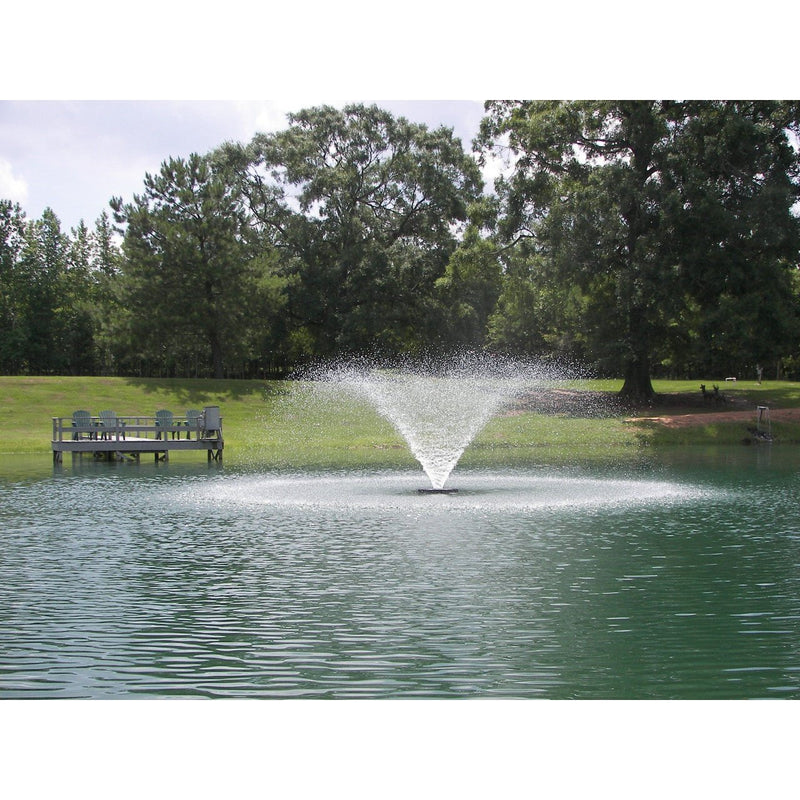
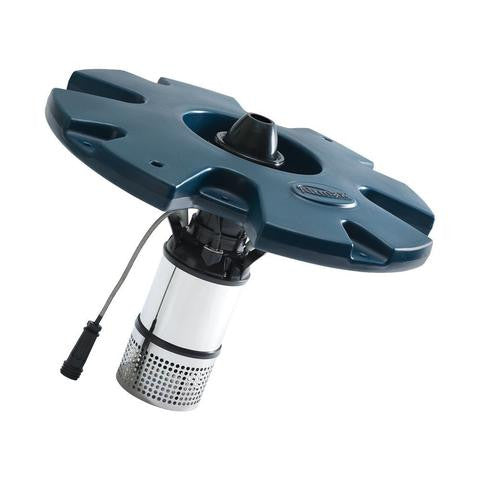
Is your fountain actually boiling your fish in the summer heat? Fountains look great, but they are active heaters in the summer—spraying water into the hot air and increasing evaporation. Passive bottom aeration uses the water's own density to circulate the entire pond without losing a drop to the wind. Understanding the mechanical differences between these two systems is critical for pond owners who prioritize biological stability and energy efficiency. While a fountain provides a visual aesthetic, its utility as a primary aeration source diminishes as pond depth increases. In contrast, deep water diffused aeration focuses on the physics of...