Do Beneficial Pond Bacteria Actually Work? What The Science Says

Stop fighting nature and start working with it. Why use harsh synthetics when biology does it better? Beneficial bacteria consume the excess nutrients that cause algae. It is the difference between a temporary chemical fix and a long-term natural solution. Maintaining a pond ecosystem requires a transition from reactive chemical management to proactive biological optimization. Conventional algaecides offer rapid oxidation of photosynthetic organisms but fail to address the underlying nutrient loading. This creates a cycle of dependency known as Chemical Dependency vs Biological Balance. By introducing specific microbial strains, a pond manager can establish a self-regulating nitrogen cycle and facilitate...

What Hydrogen Sulfide Gas Does To Ponds And How Aeration Helps

That rotten egg smell is a warning sign of a dying pond. Hydrogen sulfide is a silent killer in stagnant ponds. Aeration turns a 'Dead Zone' of toxic muck into a 'Living' ecosystem by stripping out gases and fueling aerobic bacteria. Breathe life back into your water. Aquatic health depends on a delicate balance of dissolved gases and microbial activity. When a pond loses its oxygen supply, the biological processes shift from aerobic respiration to anaerobic fermentation. This transition creates a hostile environment where toxic gases accumulate, primarily hydrogen sulfide (H2S). Understanding the mechanical and chemical mechanisms behind gas accumulation...

How Phosphorus Fuels Pond Algae Growth (And How To Control It)

Phosphorus is like high-octane gasoline for algae. Are you accidentally fueling a bloom? You can't starve algae if you keep feeding it phosphorus. Discover the hidden sources of nutrient pollution and how to lock them down for good. Managing a pond or lake requires a precise understanding of nutrient stoichiometry. In most freshwater ecosystems, phosphorus (P) serves as the primary limiting nutrient. This means the availability of phosphorus determines the maximum potential biomass of algae and cyanobacteria. When concentrations exceed specific thresholds, the biological system shifts from an oligotrophic state to a eutrophic or hypereutrophic state, resulting in rapid, uncontrolled...

How To Tell If Your Pond Has Low Oxygen Before Fish Start Dying

Is your pond holding its breath? Spot the silent signs of oxygen loss before it's too late. Oxygen levels can plummet long before you see a single dead fish. Learn the subtle visual cues of a pond in distress and how to restore the flow of life. Aquatic ecosystems operate on a razor-thin margin of dissolved gas concentration. While atmospheric air contains approximately 21% oxygen (210,000 ppm), water at standard saturation levels rarely holds more than 8 to 12 ppm. This disparity makes the management of Dissolved Oxygen (DO) the single most critical parameter for pond stability. Maintaining a dynamic...

How To Place Pond Diffusers Correctly For Maximum Circulation

Placement is the difference between a healthy pond and a stagnant one. Even the best aerator fails if placed incorrectly. Mapping your pond's shape is the key to total oxygenation. Aeration systems operate as mechanical fluid-transfer engines. Their efficiency is not determined solely by the motor’s horsepower or the compressor’s cubic feet per minute (CFM) rating. Instead, the performance of an aeration system depends on the interaction between the air diffuser and the surrounding water column. When a diffuser is positioned with precision, it leverages the physics of an air-lift to circulate thousands of gallons of water per minute. Incorrect...

Calculating the ROI of Upgrading from Surface Fountains to Diffused Aeration

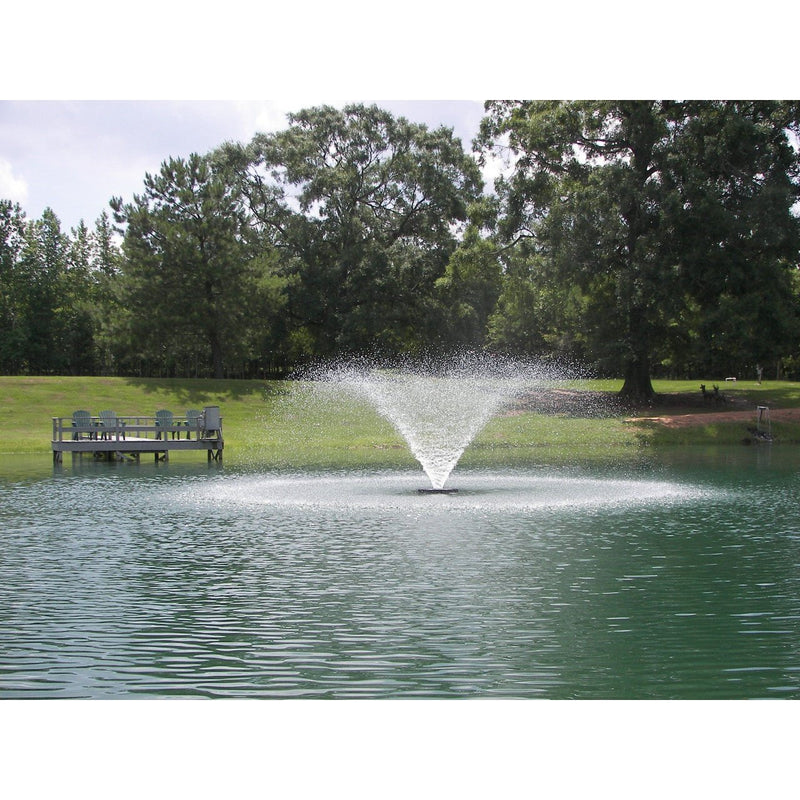
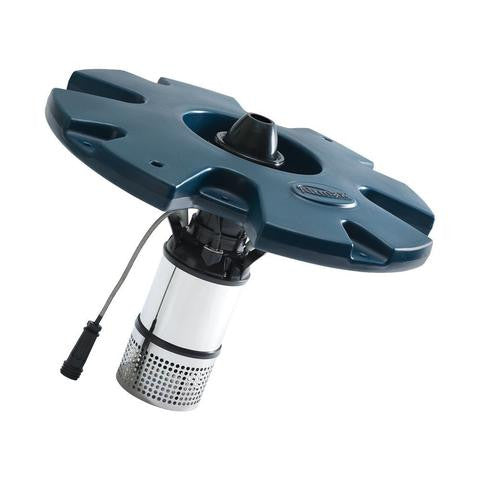
Surface fountains look nice, but diffused aeration actually works. Invest in results, not just decor. Stop fixing the surface while the bottom rots. Discover why the ROI of diffused aeration beats surface fountains every time. Property owners often prioritize visual appeal when managing a pond or lake. A floating fountain provides a dramatic spray pattern and an audible splash that suggests a healthy, active ecosystem. However, mechanical surface agitation is an inefficient method for deep-water oxygenation. Most decorative fountains only circulate the top few feet of the water column, leaving the bottom layers to become stagnant and anoxic. Diffused aeration...