Why Your Pond Still Has Algae Even With Aeration Installed

Aeration is a tool, not a magic wand. If you have high phosphorus and no plants, all the oxygen in the world won't stop algae. Here's the missing piece. Pond management often relies on the assumption that increasing dissolved oxygen (DO) levels will automatically resolve water quality issues. While oxygen is a critical component of a functional aquatic ecosystem, it is merely one variable in a complex biochemical equation. Effective management requires an understanding of nutrient stoichiometry, sediment redox potential, and biological competition. This article examines the mechanical and chemical limitations of isolated aeration and explains why an integrated ecosystem...

Blue-Green Algae In Ponds: Warning Signs, Risks, And Treatment Options

Chemicals treat the symptom; biology treats the cause. Blue-green algae isn't just ugly—it's a cyanobacteria that can be toxic. Here is how to spot it and stop it naturally.   Cyanobacteria Isn't Really An Algae Cyanobacteria, commonly referred to as blue-green algae, are a phylum of photosynthetic bacteria that obtain their energy through photosynthesis. Unlike eukaryotic algae, these organisms are prokaryotic and lack membrane-bound organelles. They have existed for approximately 3.5 billion years and are primary drivers of nitrogen fixation in aquatic ecosystems. Excessive nutrient loading, specifically phosphorus and nitrogen, facilitates the rapid proliferation of these organisms into Harmful Algal...

What Causes Muck To Build Up In Ponds — And How To Reduce It Naturally

That black muck is just 'unprocessed' energy. Give your pond the tools to eat it. Muck is just accumulated organic waste. See how aeration and bacteria turn that sludge back into crystal clear water. Pond owners often view the thick, dark layer at the bottom of their waterbody as a permanent fixture or a sign of total ecosystem failure. In reality, this substance—commonly referred to as "muck" or "sludge"—is a concentrated bank of potential energy that has simply stalled in its decomposition cycle. When organic inputs exceed the system's metabolic capacity, the pond enters a state of nutrient loading that...

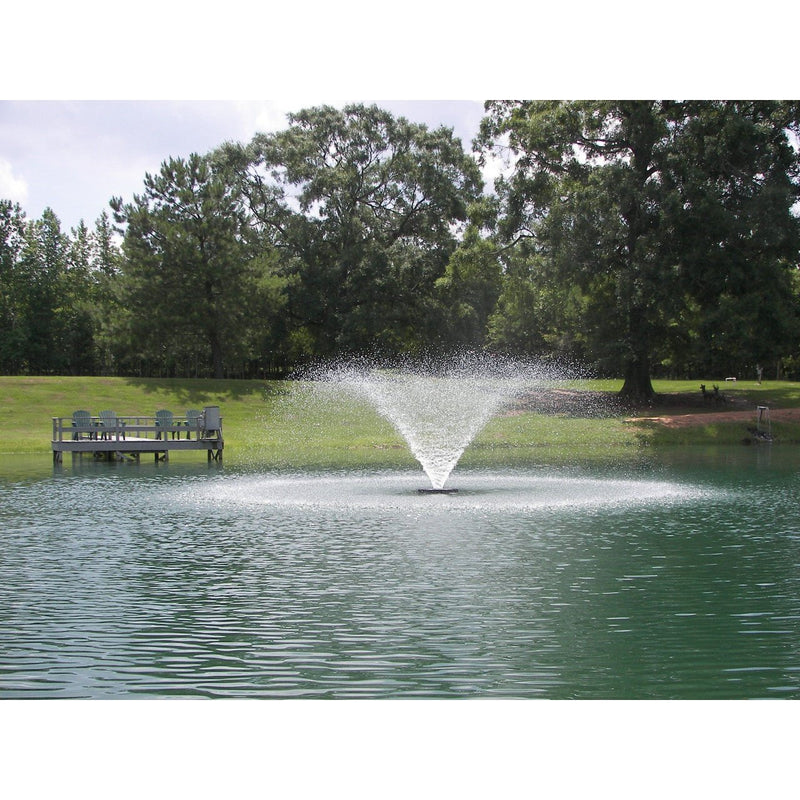
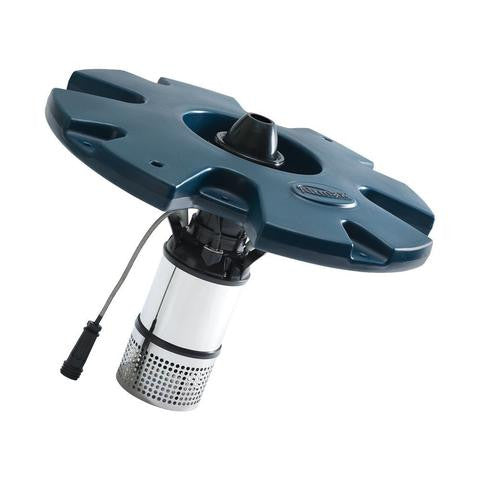
The Truth About Pond Fountains: Do They Really Aerate Water?

A pretty fountain isn't always a healthy pond. Fountains look great, but do they actually breathe life into your pond? The answer depends on where the air is going. While the visual appeal of a spray pattern is undeniable, the mechanical efficiency of these systems often falls short of meeting the biological demands of a complex aquatic ecosystem. Understanding the distinction between surface agitation and deep-water gas exchange is critical for any pond manager or property owner. The aesthetic value of a water feature must be weighed against the functional necessity of dissolved oxygen (DO) levels, especially in deeper water...

The Best Pond Aeration Setup For Ponds With Heavy Algae Problems

Turn your green eyesore into a blue oasis. Algae is a nuisance caused by low oxygen and high nutrients. Optimizing your aeration setup turns that green mess into a valuable property asset. Clear water is just a few bubbles away. Aquatic ecosystems with high nutrient loads, specifically phosphorus and nitrogen, frequently experience uncontrolled algal proliferation. This condition, known as eutrophication, often results in a feedback loop where decaying organic matter consumes dissolved oxygen (DO), triggering further nutrient release from bottom sediments. Implementing a robust aeration strategy is the primary mechanical method for breaking this cycle. The Best Pond Aeration Setup...

Can Ultrasonic Algae Control Replace Chemicals In Ponds?

The era of toxic algae treatment is over. In the past, we relied on heavy metals to kill algae. Now, we use ultrasonic frequencies to pop algae cells without harming fish or plants. It is the smartest way to keep your pond clear. Managing water quality in ponds and reservoirs has historically required an aggressive chemical approach. Traditional methods typically involve the application of copper sulfate or synthetic algaecides. While effective in the short term, these substances introduce heavy metals and toxins into the aquatic ecosystem, often leading to secondary environmental degradation. Ultrasonic algae control represents a shift toward mechanical...