Surface Aerators vs Bottom Diffused Aeration: Which Works Better?

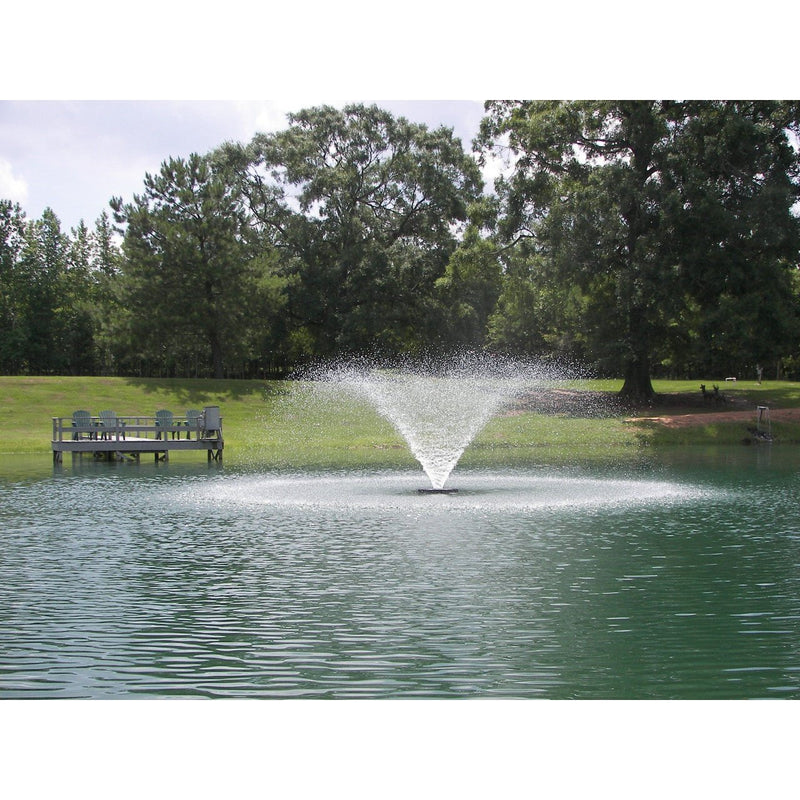
Fountains are for looks; diffusers are for health. Do you know the difference? Don't mistake a pretty splash for real aeration. For deep ponds, precision bottom diffused systems are the only way to eliminate the 'dead zone.' Maintaining a healthy aquatic ecosystem requires a fundamental understanding of fluid dynamics and gas solubility. While aesthetic water features provide surface movement, they often fail to address the biological and chemical demands of deeper water columns. Effective pond management hinges on the strategic application of dissolved oxygen (DO). In a standard pond environment, oxygen is consumed by fish respiration and the decomposition of...

Why Blue-Green Algae Keeps Coming Back In Your Pond

Treating the algae is treating the symptom. Treating the nutrients is the cure. Synthetic chemicals kill algae today, but the dead algae just fuels the next bloom. Switch to natural nutrient cycling and break the cycle for good. This fundamental shift in aquatic management moves away from reactive toxicity toward mechanical and biological optimization. Understanding the underlying nutrient dynamics is the first step in transitioning a pond from a eutrophic state to a stable, aerobic ecosystem. Managing a pond requires a precise understanding of the nitrogen and phosphorus cycles. Most waterbodies suffer from an imbalance where nutrient inputs exceed the...

How To Aerate A Pond Without Electricity Near The Shoreline

Remote pond? No power? No problem. Use the elements to breathe life into your water. Stop worrying about electricity bills and shoreline wiring. Passive systems like wind and solar provide consistent oxygen without the grid dependency. Managing water quality in remote locations requires a shift from active grid dependency toward passive, nature-powered systems. Traditional aeration relies on high-voltage lines and expensive trenching to power compressors. For ponds located far from the electrical grid, these costs are often prohibitive. Passive aeration utilizes photovoltaic (PV) panels or wind turbines to drive mechanical compressors, maintaining dissolved oxygen (DO) levels essential for aerobic bacteria...

Does Pond Aeration Reduce Mosquitoes?

Mosquitoes need 'Glassy' water to survive. Don't spray chemicals; just move the water. Chemicals provide a fragile, temporary fix. A resilient ecosystem uses water movement to break the mosquito life cycle naturally. Here is the science of surface tension. The biological requirement for stagnant, undisturbed water is a primary vulnerability in the life cycle of the Culicidae family. To an engineer or a pond manager, this represents a mechanical opportunity. By disrupting the fluid dynamics of the water’s surface, we can render an aquatic environment functionally uninhabitable for mosquito larvae and pupae without the continuous application of synthetic neurotoxins. Managing...

How To Improve Low Dissolved Oxygen In A Pond

When fish gasp at the surface, they are living on the edge. You need to move oxygen deeper than the top inch. Standard ponds rely on surface contact, but 'Pro' ponds use aeration to ensure oxygen reaches every cubic inch of water. Protect your fish this summer. Dissolved oxygen (DO) is the primary limiting factor in aquatic biomass capacity. While the atmosphere is roughly 21% oxygen, the concentration of oxygen in water is measured in milligrams per liter (mg/L) or parts per million (ppm). Achieving optimal saturation requires an understanding of fluid dynamics, gas solubility laws, and biological consumption rates....

Why Your Pond Smells Bad (And How Aeration Helps)

That 'rotten egg' smell isn't just gross—it is a signal that your pond is suffocating. Here is how to flip the switch. Don't let pond muck and sulfur gases ruin your backyard experience. Discover why oxygen is the ultimate deodorizer and how to turn a stagnant nuisance back into a clear liquid asset. Why Your Pond Smells Bad (And How Aeration Helps) Hydrogen sulfide (H2S) is the primary chemical compound responsible for the "rotten egg" odor in stagnant water bodies. This colorless, flammable, and highly toxic gas forms when the redox potential at the pond's benthic layer drops below approximately...