Best Pond Aeration For Fish Growth

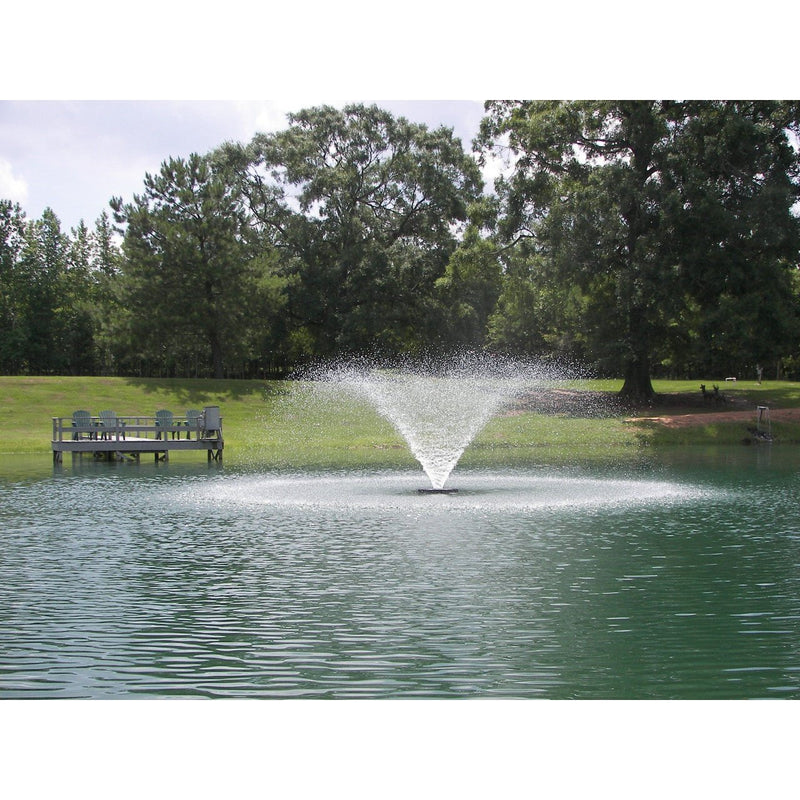
Is your aerator just 'playing' with the surface while your fish are suffocating at the bottom? Most pond owners think a fountain is enough, but surface splashing is a single-use solution for a multi-layered problem. While a fountain looks pretty, a bottom-diffused system is a multi-use powerhouse: it oxygenates the depths, digests floor muck, and eliminates the 'dead zone' where your fish should be thriving. To understand why traditional surface aeration often fails in larger or deeper aquatic environments, one must examine the mechanical and biological requirements of the pond ecosystem. This article provides a technical analysis of subsurface aeration...

Duckweed As High-protein Livestock Feed

Most pond owners see a green carpet and reach for the poison; the smart ones see a harvest of free, high-protein superfood. Duckweed is the fastest-growing plant on earth. You can fight it and lose, or you can harvest it as a 'biological filter' that cleans your water and feeds your animals for free. It's time to change your perspective on pond 'weeds'. Managing a body of water requires an understanding of nutrient cycles. When nitrogen and phosphorus levels rise, nature fills the niche with rapid-growth organisms. Duckweed, comprising species within the genera Lemna, Spirodela, Wolffia, and Landoltia, represents a...

Converting Retention Ponds To Wildlife Habitat

Your pond can be a stagnant drainage ditch or a thriving wild refuge; the difference is in the breath of the water. Urban ponds often become toxic pits of stagnant runoff. Adding aeration and allowing nature to reclaim the edges, you transform a liability into a sanctuary for birds, fish, and your family. Converting Retention Ponds To Wildlife Habitat Retention ponds, technically known as wet detention basins, are engineered structures designed to manage stormwater runoff. These systems capture water from impervious surfaces like roads and parking lots, holding it permanently to allow sediments to settle and peak flow rates to...

Off-grid Pond Management Tips

If the power goes out, does your bass population go with it? Many modern ponds are on life support, requiring constant electricity for pumps and aerators. Resilient ponds are designed with depth, wind-fetch, and natural inflows to survive the toughest conditions without help from the grid. Invest in resilience. Most pond owners overlook the mechanical fragility of their aquatic ecosystems. An intensive pond relies on a constant stream of electrons to maintain dissolved oxygen (DO) levels above lethal thresholds. When that stream is interrupted by storm damage or grid instability, the biological oxygen demand (BOD) often exceeds the remaining supply...

Optimizing A Pond For Trophy Bass

Stop settling for 'just a pond' when you could be managing a world-class trophy bass habitat. A standard pond provides water; a pro-level pond provides an environment. Engineering depth transitions and specific forage highways turns a generic water feature into a high-octane bass factory. Learn the pro secrets of pond contouring. Optimizing Pond For Trophy Bass Optimizing a pond for trophy largemouth bass is the process of manipulating physical, chemical, and biological variables to maximize the growth rates and health of a specific predator population. This is not a passive endeavor; it requires intentional engineering of the pond's bathymetry and...

Diy Bass Pond Structure Ideas

That messy brush pile on your bank is actually a gold mine for your fish. Don't burn your property's potential. Submerged 'waste' like fallen trees and rock piles are the fuel that powers your pond's ecosystem by providing essential ambush points for trophy bass. Whether you are managing a small farm pond or a multi-acre lake, the difference between a barren basin and a thriving fishery often comes down to the quality of underwater cover. While most people see a fallen cedar or a pile of old concrete blocks as LANDFILL WASTE, a serious pond manager recognizes them as HABITAT...