

Managing Lily Pads In Bass Ponds
Stop clearing your pond's best feature and start using it as a weapon. Think those lily pads are just in the way? To a bass, they are air-conditioned hunting grounds and high-security shelter. Learn to manage your aquatic vegetation instead of declaring war on it.
Managing Lily Pads In Bass Ponds
Lily pads, primarily from the Nymphaeaceae family, are emergent aquatic plants that serve as critical structural components in pond ecosystems. In the context of a bass pond, these plants function as complex biological filters and thermal regulators. They are characterized by large, floating leaves connected to thick, nutrient-rich rhizomes anchored in the anaerobic substrate of the pond floor.
These plants naturally colonize littoral zones, typically thriving in water depths between two and five feet. In a managed fishery, lily pads are not merely decorative; they are mechanical tools that manipulate fish behavior. They provide the "edge" habitat required for ambush predators like largemouth bass to maximize their foraging efficiency.
Maintaining a specific density of lily pads is the difference between a productive trophy pond and a stagnant, weed-choked bowl. While complete eradication is rarely the goal for a bass angler, unmanaged growth leads to surface matting. This matting blocks gas exchange at the surface and can lead to localized oxygen depletion.
Species Identification and Structural Mechanics
Effective management begins with identifying the specific species present in the water column. In North American ponds, you will most likely encounter two primary types: Fragrant Water Lily (Nymphaea odorata) and Spatterdock (Nuphar lutea). Identifying these correctly dictates which chemical or mechanical control methods will yield the highest return on investment.
Nymphaea odorata (Fragrant Water Lily)
Nymphaea species are identified by nearly circular floating leaves with a distinct "V" notch leading to the center. They produce showy white or pink flowers that float directly on the surface. These plants spread via branching rhizomes that can grow up to 15 feet in a single season under optimal nutrient loads.
Nuphar lutea (Spatterdock/Cow Lily)
Spatterdock features heart-shaped leaves that often stand slightly above the water surface rather than floating flat. Its flowers are yellow and ball-shaped, never fully opening. Spatterdock rhizomes are significantly thicker and more fibrous than Nymphaea, making them more resistant to mechanical cutting and certain contact herbicides.
The Mechanics of Coverage: The 20% Rule
Data from fisheries biology suggests that the optimal percentage of aquatic vegetation for largemouth bass health falls between 15% and 30% of total surface area. When coverage exceeds 40%, the "stunting" phenomenon occurs. Dense vegetation provides too much protection for forage fish like bluegill, preventing bass from successfully hunting and resulting in a population of small, starving predators.
A coverage rate of 20% creates a high-frequency "edge effect." This maximizes the perimeter where bass can sit in the shade of a pad while looking into open water for passing prey. To calculate your current coverage, multiply the estimated length and width of the lily beds and divide by the total surface acreage of the pond.
Control Methodologies: Mechanical vs. Chemical
Managing lily pads requires a choice between immediate biomass removal and systemic chemical termination. Each method has specific efficiency metrics and long-term implications for the pond's nutrient cycle.
Chemical Control: Systemic Translocation
For long-term suppression, systemic herbicides are the most efficient. These chemicals move from the leaf surface down into the rhizome to kill the plant at its source.
- Glyphosate: An effective systemic herbicide that requires a non-ionic surfactant to penetrate the waxy coating of the lily pad. It must be applied directly to the leaves.
- Imazapyr: Provides a slower kill but offers superior translocation into the thick tubers of Spatterdock. It is often used for multi-year control.
- 2,4-D (Granular): Useful for spot-treating specific areas. The granules sink to the bottom and are absorbed by the roots, allowing for surgical precision in creating "lanes" for fishing.
Mechanical Control: Biomass Extraction
Mechanical harvesting provides immediate relief but carries the risk of fragmentation. Most lily species can reproduce from small segments of rhizomes broken during the cutting process.
- Hand Pulling: Effective for small, localized clusters. You must remove the entire rhizome to prevent regrowth.
- Underwater Mowers: These tools cut the stems below the waterline. While this clears the surface, it leaves the nutrient-rich tuber intact, usually resulting in regrowth within 21 to 30 days.
- Hydroraking: A heavy-duty mechanical process that pulls the rhizomes out of the muck. This is the most effective mechanical method for long-term reduction but is also the most expensive and disruptive to the substrate.
Benefits of Managed Lily Pads
Managed lily beds offer measurable advantages for the pond's physical and biological performance. They act as a heat shield during peak summer months. Water temperatures under a dense canopy of lily pads can be 5 to 10 degrees Fahrenheit lower than in open, sun-exposed areas.
This thermal refuge reduces the metabolic stress on bass, allowing them to remain active even when surface temperatures exceed 85 degrees. Furthermore, the root systems stabilize the bottom sediment. This prevents wind-driven turbidity and keeps the water clearer, which is essential for sight-hunting predators.
From a forage perspective, the undersides of lily pads are colonization sites for macroinvertebrates. This creates a concentrated food source for bluegill and other baitfish, which in turn draws the bass into predictable, fishable locations.
Challenges and Common Mistakes
The most frequent error in pond management is waiting too long to intervene. Lily pads are aggressive colonizers. A small 10-foot patch can expand to cover 50% of a one-acre pond in three seasons if left unchecked.
Another mistake is treating the entire pond with herbicides simultaneously. When large volumes of vegetation die at once, the decomposition process consumes massive amounts of dissolved oxygen. This can lead to a "summer kill," where your entire fish population suffocates. Always treat lily pads in sections, typically 25% of the pond at a time, with a 14-day interval between applications.
Using contact herbicides instead of systemic ones is also a common pitfall. Contact chemicals like Diquat will "burn" the leaves off quickly, but they do not reach the rhizome. The plant will simply push up new shoots within weeks, leading to wasted chemical costs.
Limitations and Environmental Constraints
Lily pads have depth limitations that naturally restrict their growth. They rarely grow in water deeper than six to eight feet. If your pond has steep banks that drop quickly to 10 feet, your management workload will be significantly lower than in a shallow, saucer-shaped pond.
Environmental factors like water clarity also play a role. In very turbid or muddy water, sunlight cannot reach the bottom to trigger rhizome growth in the spring. This can lead to a sudden explosion of growth if the water clears up unexpectedly.
Furthermore, biological controls like triploid grass carp are largely ineffective against lily pads. Grass carp prefer submersed plants like pondweed or milfoil. They will only eat lily pads as a last resort, meaning you cannot rely on them for this specific vegetation challenge.
Practical Tips for Best Results
To keep your pond optimized for trophy bass, follow these maintenance best practices:
- Create Fishing Lanes: Use granular 2,4-D to carve "strips" through large lily beds. These lanes act as highways for bass and allow you to fish lures without constant snagging.
- Timing is Critical: Apply systemic herbicides in late spring or early summer when the plants are actively growing but before they have reached peak biomass.
- Use a Surfactant: Always mix a professional-grade surfactant with liquid herbicides. Lily pads are hydrophobic; without a surfactant, your expensive chemical will simply roll off the leaf and into the water.
- Monitor Muck Levels: Decomposing lily pads contribute significantly to "muck" or organic sludge. If you cut them mechanically, always remove the clippings from the water to prevent nutrient loading.
Advanced Considerations: Nocturnal Oxygen Dynamics
Serious practitioners must account for the diurnal oxygen cycle. While lily pads produce oxygen via photosynthesis during the day, they consume it via respiration at night. In ponds with 80% or higher coverage, the pre-dawn dissolved oxygen levels can drop to lethal limits for bass.
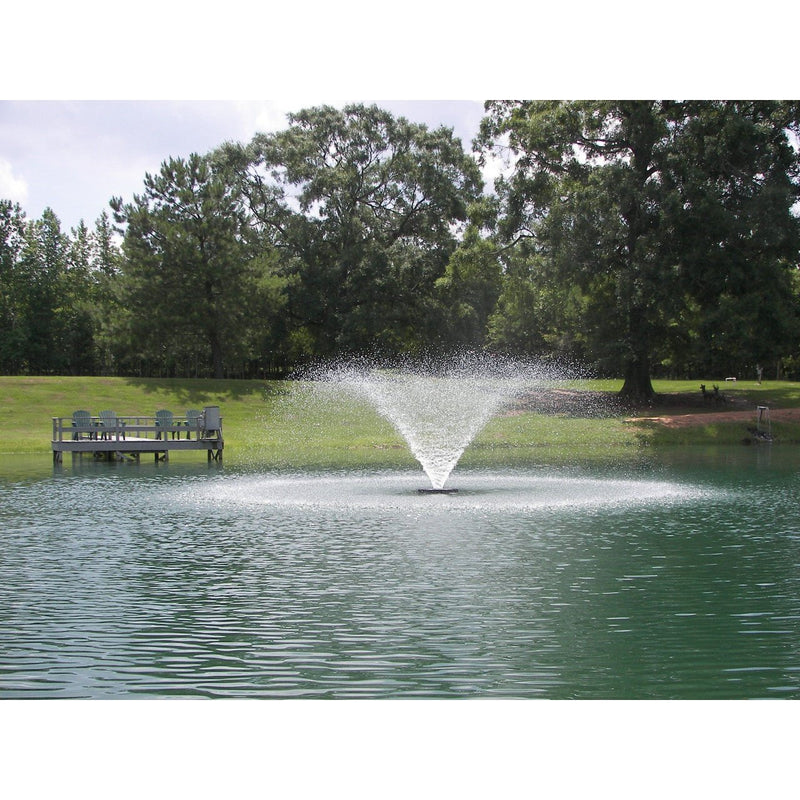
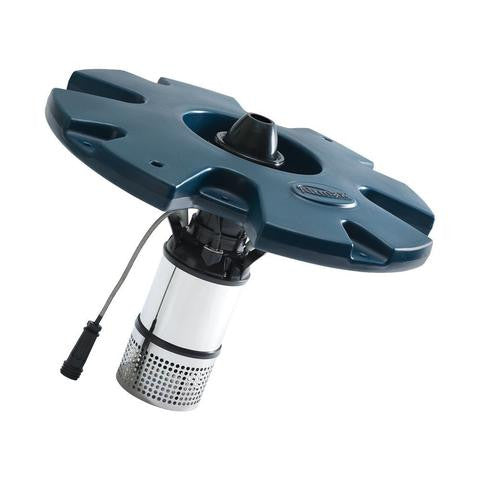
For ponds with high lily pad density, supplemental aeration is mandatory. Sub-surface diffusers should be placed in the deeper, open-water sections to ensure a "safe zone" for fish during the night. Monitoring dissolved oxygen (DO) levels with a digital meter during the hottest weeks of August can provide the data needed to decide when to initiate a major reduction program.
Example Scenario: The One-Acre Recovery
Consider a one-acre pond that has reached 70% coverage with Nymphaea odorata. The bass population is currently stunted, with fish averaging 10 inches and showing low relative weights.
The optimization plan starts with a 25% herbicide treatment of the eastern shoreline in June. Three weeks later, another 15% is treated on the western side. By mid-July, total coverage is reduced to approximately 30%. Within one year, the increased foraging efficiency typically results in a measurable increase in the average weight of the adult bass, as the bluegill population is no longer over-protected.
Final Thoughts
Managing lily pads is about finding the balance between habitat and accessibility. By treating these plants as a mechanical component of your pond rather than an invasive enemy, you can manipulate the environment to produce larger, healthier bass.
Success requires a technical approach to species identification, chemical selection, and coverage ratios. Do not aim for a swimming pool; aim for a functional ecosystem where 20% of the surface provides the shade and structure your fish need to thrive.
Consistent, incremental management is always more cost-effective than a total pond renovation. Take the time to map your vegetation, choose the right tools, and transform those "pesky weeds" into your pond's greatest asset for growing trophy fish.