

How To Get Rid Of Pond Algae Naturally
Are you just treating the symptoms with chemicals, or are you building a system that prevents algae from ever starting? Chemicals kill algae, but they don't remove the nutrients that grew it. You're just creating a pile of compost at the bottom of your pond for next year's bloom. It's time to integrate aeration and biology to break the cycle for good.
Managing a pond effectively requires moving away from the "spray and pray" mentality. When you rely solely on algaecides, you are engaging in a reactive cycle that ignores the underlying physics and chemistry of the water body. True sustainability comes from understanding how nutrients like nitrogen and phosphorus interact with dissolved oxygen and microbial communities.
Establishing an integrated system involves balancing the biological oxygen demand (BOD) with mechanical aeration. This approach doesn't just clear the water; it transforms the pond into a self-cleaning ecosystem. We will examine the specific mechanics of nutrient sequestration, gas transfer, and bio-augmentation to provide a technical roadmap for natural algae control.
This guide is designed for those who want to understand the "why" behind pond health. We will look at the data points that define a successful pond environment, from dissolved oxygen (DO) saturation levels to the colony-forming units (CFU) required for effective sludge digestion. Let’s look at how to stop fighting nature and start managing it.
How To Get Rid Of Pond Algae Naturally
Natural algae control is the process of limiting the available resources required for algal photosynthesis and reproduction. In any freshwater ecosystem, algae thrive when there is an abundance of sunlight, warm temperatures, and, most importantly, excess nutrients. To get rid of pond algae naturally, you must address the primary drivers: nitrogen (N) and phosphorus (P).
The core concept is "nutrient limitation." In most freshwater environments, phosphorus is the limiting nutrient. This means that algae will continue to grow until the available phosphorus is exhausted. If you can reduce phosphorus levels to below 0.01 mg/L, most species of algae will struggle to form significant blooms. This is often achieved through a combination of physical filtration, biological uptake, and chemical sequestration using natural mineral binders.
Another critical factor is the state of the nitrogen cycle. In a healthy pond, beneficial bacteria convert toxic ammonia into nitrites and then into nitrates. While nitrates still fuel plant growth, they are much less volatile than ammonia. A natural system aims to complete the cycle by facilitating denitrification, where bacteria convert nitrates into inert nitrogen gas (N2) that safely vents into the atmosphere.
Consider the pond as a biological reactor. If the reactor has enough oxygen, aerobic bacteria can process waste efficiently. If oxygen is depleted, the system shifts to anaerobic respiration. This slower, less efficient process produces hydrogen sulfide and methane, and it allows phosphorus to be released back into the water column from the bottom sediment. Natural management keeps the reactor "aerobic" to ensure maximum efficiency.
The Mechanics of Subsurface Aeration and Gas Transfer
Oxygen is the most critical variable in pond health. It determines the rate of decomposition and the survival of beneficial aerobic microbes. To achieve high dissolved oxygen levels throughout the entire water column, subsurface diffused aeration is the industry standard for efficiency.
Understanding SOTE and SAE
When selecting an aeration system, professional managers look at two metrics: Standard Oxygen Transfer Efficiency (SOTE) and Standard Aeration Efficiency (SAE). SOTE measures the percentage of oxygen transferred from the air bubbles into the water. Fine-bubble diffusers typically achieve 25-35% SOTE because they produce millions of tiny bubbles, increasing the surface area for gas exchange. Coarse-bubble systems, while better for mixing, often fall into the 15-25% range.
SAE measures the amount of oxygen transferred per unit of energy (kg O2/kWh). Subsurface systems are generally more efficient than surface aerators in deep water because they utilize the "airlift" effect. As bubbles rise from the bottom, they drag oxygen-depleted water from the benthos to the surface, where it can interact with the atmosphere. This process effectively breaks thermal stratification—the layering of water by temperature—which is a leading cause of stagnant, algae-prone water.
Diffused Aeration vs. Surface Agitation
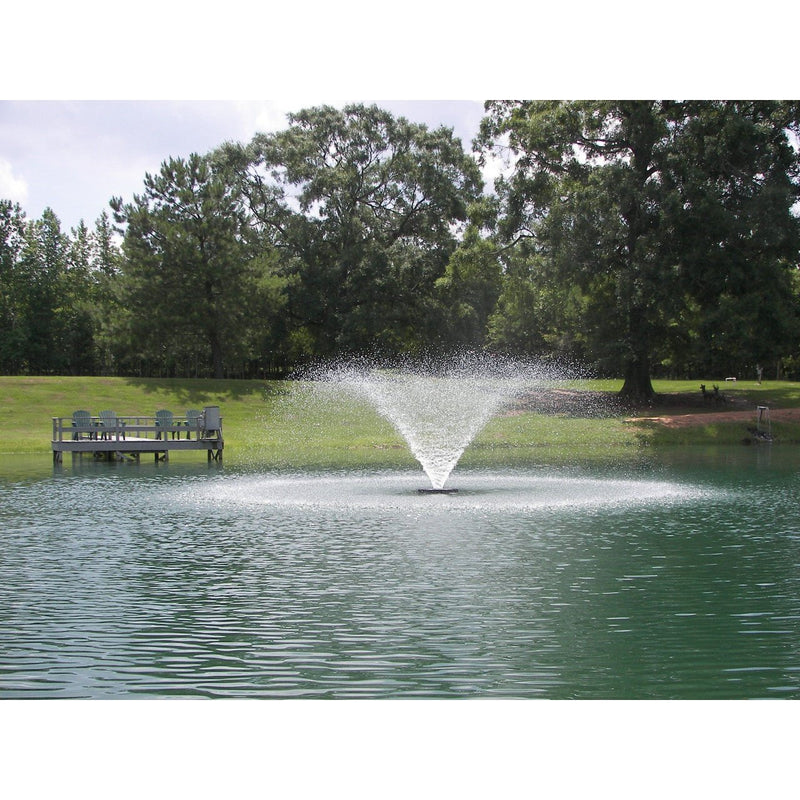
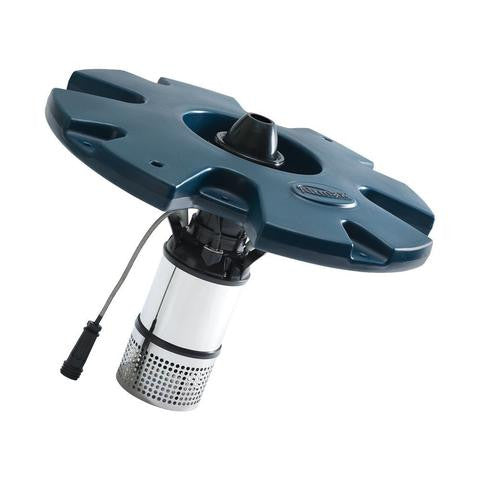
Surface aerators and fountains are common, but their technical limitations are significant in ponds deeper than six feet. Surface units primarily oxygenate the top 24-36 inches of the water. This leaves the bottom of the pond—where the "muck" and organic debris accumulate—in an anaerobic state. Subsurface diffused aeration, conversely, starts the process at the source. By placing diffusers at the deepest point, you ensure that the entire water column is circulated and oxygenated, supporting aerobic digestion of the sludge layer.
Benefits of an Integrated Biological System
Building an integrated system provides measurable improvements in water quality that isolated treatments cannot match. The primary benefit is the reduction of the organic sludge layer, often referred to as "muck." This layer is a reservoir of phosphorus. Aeration, combined with the addition of specialized Bacillus bacteria, can digest this muck at a rate of several inches per season.
Increased dissolved oxygen also stabilizes the pH of the pond. During heavy algae blooms, photosynthesis causes pH to spike during the day as CO2 is removed, and drop at night as respiration adds CO2 back. This volatility stresses fish and beneficial microbes. A well-aerated pond maintains a more consistent CO2 balance, leading to a stable pH (typically between 7.0 and 8.5), which is ideal for a balanced ecosystem.
Furthermore, an integrated approach reduces the "rebound effect." When you kill algae with chemicals, the dead biomass sinks to the bottom and decays, releasing nutrients that immediately fuel the next bloom. A biological system uses "competitive inhibition," where beneficial bacteria and higher aquatic plants out-compete algae for the same nutrients. This creates a long-term downward trend in nutrient availability, resulting in clearer water with less maintenance over time.
Common Implementation Failures
The most frequent mistake in natural pond management is under-sizing the aeration system. Many DIY installations use compressors that lack the PSI (pounds per square inch) to overcome the "head pressure" of the water at depth. If the compressor is too weak, air will not reach the diffusers, or the bubble size will be too large to facilitate efficient gas transfer.
Another common error is inconsistent bacterial dosing. Beneficial bacteria are living organisms that require specific conditions to thrive. If you add bacteria to a pond with low dissolved oxygen (below 3.0 mg/L), the microbes will struggle to survive and perform. Bio-augmentation must be paired with adequate aeration to be effective. Additionally, using "generic" bacteria strains that are not cold-water tolerant can lead to system failure during spring and fall transitions.
Managers often ignore external nutrient loading. Even the best aeration system cannot keep up if a pond is receiving constant runoff from a heavily fertilized lawn or agricultural field. Failing to establish a "buffer zone" of tall grasses or littoral plants around the perimeter allows an endless supply of nitrogen and phosphorus to enter the system, overwhelming the biological capacity of the pond.
Limitations and Environmental Constraints
While natural methods are highly effective, they are subject to the laws of physics and thermodynamics. For instance, the solubility of oxygen in water is inversely proportional to temperature. At 50°F, water can hold approximately 11.3 mg/L of DO. At 80°F, that capacity drops to 8.0 mg/L. During peak summer heat, the "ceiling" for oxygen is lower, meaning the margin for error is significantly reduced.
Extremely shallow ponds (under four feet deep) present a challenge for subsurface aeration. There isn't enough vertical "travel time" for the bubbles to transfer oxygen efficiently or create a strong airlift. In these cases, high-volume surface circulators may be necessary to move water horizontally and prevent stagnant zones.
High levels of suspended inorganic solids—such as clay or silt—can also limit biological effectiveness. These particles block sunlight for beneficial aquatic plants and can physically interfere with the respiration of beneficial bacteria. If your pond has high turbidity from erosion, you must stabilize the banks before biological treatments will show results.
Integrated Cycle vs. Isolated Treatment
Comparing the long-term impacts of integrated management versus traditional algaecide treatment reveals significant differences in both cost and ecosystem health.
| Factor | Isolated Chemical Treatment | Integrated Biological Cycle |
|---|---|---|
| Primary Mechanism | Direct toxicity to algal cells | Nutrient competition and oxygenation |
| Nutrient Impact | Nutrients recycled (Bloom/Crash cycle) | Nutrients sequestered or vented as gas |
| Sludge (Muck) | Increases due to dead biomass | Decreases through aerobic digestion |
| Fish Safety | Risk of oxygen depletion after kill | Significantly improved (High DO) |
| Maintenance Trend | Increases over time | Decreases as ecosystem balances |
Practical Tips for Pond Management
Effective pond management relies on consistent monitoring and incremental adjustments. Start by measuring your dissolved oxygen levels at dawn. This is when DO is at its lowest because plants have been respiring (consuming oxygen) all night without producing any through photosynthesis. If your dawn DO is below 5.0 mg/L, your aeration is insufficient for the current organic load.
- Run Aeration 24/7: Intermittent aeration is less effective because it allows thermal stratification to re-establish during the "off" hours. Consistent circulation keeps the sediment-water interface oxygenated.
- Use Pelletized Bacteria: For muck reduction, use weighted pellets or tablets that sink directly into the sludge layer. This ensures the high concentration of microbes is exactly where the organic material is located.
- Install a Buffer Zone: Allow a 3- to 5-foot strip of native grasses and flowers to grow around the pond's edge. This acts as a biological filter, trapping nitrogen and phosphorus before it enters the water.
- Monitor Water Temperature: As the water warms above 75°F, increase the frequency of bacterial dosing, as metabolic rates rise and oxygen capacity falls.
Advanced Considerations: Bio-Augmentation and Phosphorus Binding
For serious practitioners, managing a pond involves fine-tuning the microbial community. Not all bacteria are created equal. Professional-grade bio-augmentation products use a consortium of strains, including Bacillus subtilis for protein and starch degradation, and Nitrosomonas for ammonia oxidation. The concentration of these products is measured in Billion CFU per gram. A high-load pond may require 5 to 10 billion CFU per week per acre to maintain clarity during peak season.
When biological competition isn't enough, consider the chemistry of phosphorus binding. Lanthanum-modified clay or aluminum sulfate (alum) can be used to physically bind orthophosphate, turning it into an insoluble mineral (rhabdophane or aluminum phosphate) that settles into the sediment and becomes unavailable to algae. This is a highly technical process that should only be performed after testing the water's alkalinity to ensure pH remains stable during the reaction.
Advanced systems also utilize dissolved oxygen sensors integrated with variable frequency drives (VFDs) for compressors. These systems can ramp up aeration when DO drops and scale back during periods of high photosynthesis, optimizing energy consumption while maintaining a strict 6.0 mg/L DO floor.
Example Scenario: One-Acre Pond Restoration
Imagine a one-acre pond with an average depth of 6 feet and a 12-inch muck layer. Analysis shows a total phosphorus level of 0.15 mg/L—well above the 0.03 mg/L threshold for nuisance algae blooms. The manager decides to move from algaecide treatments to an integrated system.
The first step is installing a 1/2 HP rocking piston compressor connected to two dual-disc diffusers. This system provides approximately 4.5 CFM (cubic feet per minute) of air, capable of turning over the entire 2-million-gallon volume of the pond twice every 24 hours. This achieves a 95% elimination of thermal stratification within 72 hours.
The manager then initiates a bio-augmentation program, dosing with 5 lbs of high-CFU sludge-reducing pellets every two weeks. Over the course of four months, the increased oxygen levels allow the bacteria to oxidize the muck layer, reducing it by 4 inches. The phosphorus, formerly trapped in the muck, is now processed by the bacteria or bound by the increasing presence of littoral plants like Arrowhead (Sagittaria) and Pickerelweed (Pontederia cordata). By the end of the season, total phosphorus has dropped to 0.04 mg/L, and water clarity has increased from 18 inches to 48 inches.
Final Thoughts
Natural pond management is an exercise in applied limnology. By shifting the focus from killing algae to managing the nutrient cycle and oxygen levels, you create a system that is resilient and self-sustaining. The data clearly shows that mechanical aeration and bio-augmentation provide superior long-term results compared to isolated chemical treatments.
Successful management requires patience and a commitment to the "integrated cycle." It takes time for microbial communities to establish and for nutrient levels to subside. However, the result—a clear, healthy pond with a thriving ecosystem and minimal muck—is worth the technical investment.
Start by evaluating your current system’s dissolved oxygen capacity and nutrient load. Experiment with high-potency bacterial strains and consider the physical layout of your aeration diffusers. As you begin to master these biological and mechanical variables, you will find that the pond no longer requires constant intervention to remain clear.