

How To Reduce Pond Sludge Naturally
Dredging is a weekend fix. Biology is a lifetime solution. Why rent a bulldozer when you can hire a billion microbes? Learn how to let nature eat the sludge for you.
Aquatic ecosystems are dynamic chemical processors. In a balanced system, organic inputs from leaf litter, fish waste, and dying algae are metabolized at a rate that maintains equilibrium. However, when the rate of organic deposition exceeds the rate of microbial decomposition, the result is the accumulation of benthic sediment, colloquially known as pond muck or sludge. This accumulation is not merely an aesthetic issue; it is a fundamental shift in the pond's biochemistry that leads to internal nutrient loading, oxygen depletion, and the eventual loss of volume.
Managing this sediment typically falls into two categories: mechanical removal (dredging) or biological remediation. While dredging offers immediate volumetric restoration, it is an invasive, high-CAPEX operation that fails to address the underlying metabolic deficit. Biological sludge reduction, conversely, utilizes the existing ecological framework to oxidize organic matter into carbon dioxide and water, providing a sustainable, long-term solution to sediment management. This guide explores the technical mechanisms of "bio-dredging" and how to optimize these processes for maximum efficiency.
How To Reduce Pond Sludge Naturally
Natural pond sludge reduction is the process of accelerating the decomposition of organic sediment through the optimization of the benthic environment. Pond muck is primarily composed of carbon-based materials: cellulose (approximately 45%), hemicellulose (18%), lignin (20%), and proteins (8%). In a healthy pond, these components are broken down by indigenous microbial colonies. However, as oxygen levels at the sediment-water interface drop, these processes slow significantly, leading to the formation of sapropel—a foul-smelling, anaerobic muck layer.
To reduce this muck naturally, management strategies focus on shifting the sediment from an anaerobic state to an aerobic state. This is achieved through a combination of mechanical aeration and bio-augmentation—the intentional introduction of high-density, specialized bacterial strains. By increasing the Oxidation-Reduction Potential (ORP) at the bottom of the pond, you enable aerobic bacteria to metabolize organic carbon up to 20 times faster than anaerobic species. This process essentially converts solid muck into invisible gases and clear water, reducing sediment depth without the need for heavy machinery.
In real-world applications, this method is used in municipal stormwater ponds, golf course water hazards, and private lakes where mechanical dredging is cost-prohibitive or ecologically disruptive. By viewing the pond as a biological reactor rather than a static basin, managers can maintain depth and water quality through consistent metabolic maintenance.
How It Works: The Mechanics of Bio-Augmentation
The successful biological reduction of sludge relies on a three-stage metabolic process: hydrolysis, acidogenesis, and oxidation. When you introduce beneficial bacteria—typically strains of the Bacillus genus like B. subtilis, B. licheniformis, and B. megaterium—they begin a systematic breakdown of complex organic polymers.
Step 1: Enzymatic Hydrolysis
The primary challenge in muck reduction is the breakdown of "refractory" or recalcitrant organic matter, such as lignin and cellulose. Beneficial bacteria secrete extracellular enzymes (cellulases, proteases, and amylases) that catalyze the breakdown of these large, insoluble molecules into smaller, soluble compounds like sugars and amino acids. Without these specific enzymes, the muck remains structurally intact and resistant to digestion.
Step 2: Aerobic Metabolism and Respiration
Once the organic matter is solubilized, the bacteria consume it as a carbon source. In the presence of sufficient dissolved oxygen (DO), aerobic respiration occurs. This is the most efficient metabolic pathway, resulting in the conversion of organic carbon into CO2, which gasses off at the surface, and H2O. This process is vastly superior to anaerobic fermentation, which is slow and produces toxic byproducts like methane (CH4) and hydrogen sulfide (H2S).
Step 3: Nutrient Sequestration and Compaction
As the organic component of the muck is metabolized, the overall volume of the sediment decreases. Interestingly, the remaining inorganic material (silt, clay, and sand) becomes more compacted. High-density bacterial treatments often result in a measurable increase in sediment hardness. Furthermore, nitrifying bacteria like Nitrosomonas and Nitrobacter work simultaneously to convert ammonia—a byproduct of decomposition—into nitrate, which is then either used by aquatic plants or converted to nitrogen gas via denitrification.
Benefits of Biological Sludge Reduction
Choosing a biological approach over mechanical dredging offers significant technical and financial advantages. For practitioners focused on efficiency metrics, the following benefits are measurable:
- Reduced Internal Loading: Muck acts as a "nutrient battery," slowly leaching phosphorus and nitrogen back into the water column. Biological reduction sequesters these nutrients into bacterial biomass or converts them into gas, effectively "starving" algae and weeds.
- Preservation of Benthic Integrity: Unlike dredging, which removes the entire benthic layer and destroys the existing ecosystem, bio-augmentation preserves the habitat for macroinvertebrates and beneficial microbes.
- Lower CAPEX and OPEX: Mechanical dredging can cost upwards of $71,000 per acre. Biological treatments, including aeration and monthly bacterial dosing, typically cost a fraction of that amount, often less than 5-10% of the cost of a full dredge.
- No Disposal Challenges: Dredged material is often saturated and nutrient-heavy, requiring specialized disposal sites and dewatering bags. Biological reduction eliminates the "waste" entirely by converting it into gas and water.
- Increased Dissolved Oxygen: The aeration systems required for biological muck reduction provide secondary benefits, including the prevention of fish kills and the reduction of thermal stratification.
Challenges and Common Mistakes
While biological reduction is highly effective, it is a science-dependent process. Failure usually occurs when the environmental parameters are not properly calibrated to support microbial life.
Inadequate Aeration
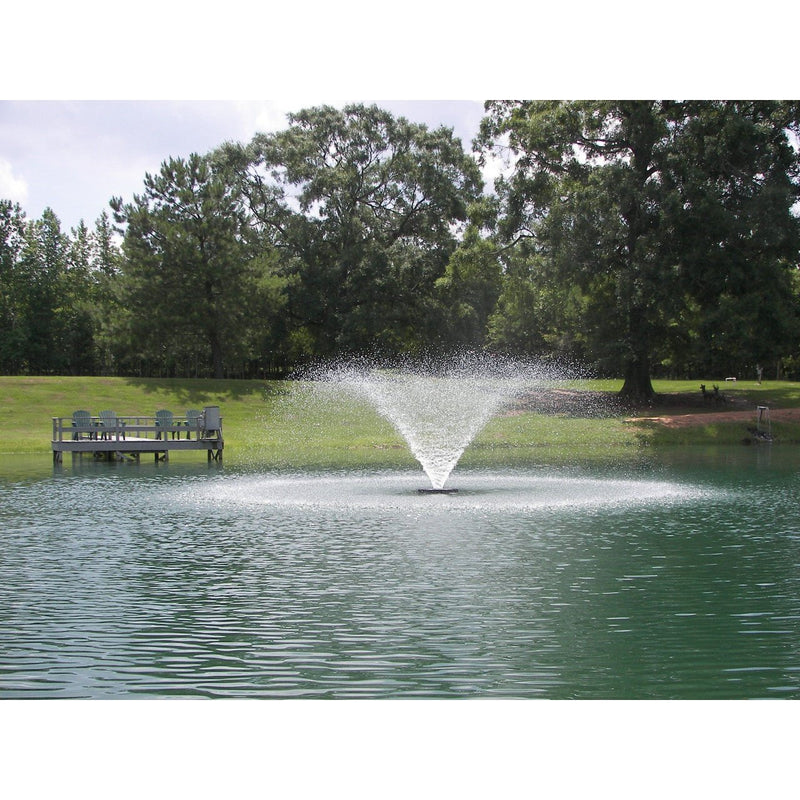
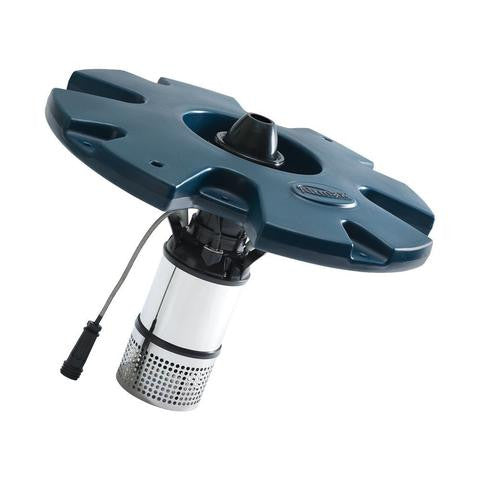
Aerobic bacteria require a constant supply of dissolved oxygen. If DO levels at the sediment-water interface fall below 2.0 mg/L, the metabolic rate of Bacillus species drops precipitously. A common mistake is using surface fountains which only oxygenate the top 2 feet of water, leaving the bottom muck in an anaerobic state. True bio-dredging requires bottom-diffused aeration.
Ignoring pH and Temperature
Microbial activity is temperature-dependent. Most beneficial bacteria become dormant when water temperatures fall below 50°F (10°C). Additionally, extreme pH levels (below 6.0 or above 9.0) can inhibit enzyme production. Failing to adjust dosing schedules based on seasonal changes is a frequent error in pond management programs.
Excessive Organic Influx
If a pond is situated in a landscape with heavy leaf fall or high fertilizer runoff, the rate of "new" muck creation can outpace the "old" muck digestion. Practitioners must address the source of organic loading (using buffer strips or leaf nets) while simultaneously treating the existing sediment.
Limitations: When This May Not Be Ideal
Biological treatments are not a universal panacea for all sediment issues. It is critical to understand the composition of your "muck" before committing to a biological program.
Inorganic Sedimentation: Bacteria eat organic matter. They do not eat rocks, sand, or clay. If your pond is filling with silt from upstream construction or erosion, biological treatments will have zero effect on the volume. A simple "jar test"—settling a sediment sample in a clear jar—can help determine the ratio of organic muck to inorganic silt.
Severe Volumetric Loss: If a pond has lost 70-80% of its total volume and is essentially a marsh, biological reduction will take years to restore depth. In these extreme cases, a one-time mechanical dredge may be necessary to "reset" the system, followed immediately by a biological maintenance program to prevent re-accumulation.
Comparison: Mechanical Dredging vs. Biological Remediation
When evaluating long-term management strategies, it is helpful to compare the measurable factors of both approaches. Biological remediation is often referred to as "The Microbe Colony" strategy, while dredging is "The Backhoe Rental" approach.
| Factor | Mechanical Dredging | Biological Remediation |
|---|---|---|
| Initial Cost | Very High ($20k - $100k+ per acre) | Low (Aeration + $500 - $2,000/yr in bacteria) |
| Time to Result | Immediate (Days) | Gradual (6 - 18 Months) |
| Disruption | High (Heavy machinery, noise, turbidity) | None (Quiet operation, no equipment on site) |
| Permitting | Complex (DNR/EPA often required) | None to Minimal |
| Sustainability | Low (Muck starts returning immediately) | High (Prevents future accumulation) |
| Waste Management | Requires hauling and disposal of spoils | No waste produced |
Practical Tips and Best Practices
To maximize the efficiency of your biological sludge reduction program, follow these technical best practices:
- Use Sinking Pellets: When applying bacteria, use pelletized forms rather than powders. Pellets sink directly into the benthic layer, delivering the microbes exactly where they are needed. Powders often stay suspended in the water column and may be washed away or consumed by zooplankton before reaching the muck.
- Optimize Aeration Depth: Oxygen transfer efficiency (OTE) increases with depth. Diffusers placed in 10 feet of water are significantly more efficient than those in 4 feet of water due to increased bubble contact time. Ensure your aeration system is sized for the volume and depth of your specific basin.
- Consistency Over Concentration: It is better to apply smaller doses of bacteria every two weeks than one large "shock" dose once a quarter. This maintains a steady-state population of active microbes and prevents the "boom-and-bust" cycle of bacterial growth.
- Monitor ORP: If possible, measure the Oxidation-Reduction Potential at the bottom. An ORP reading of +200mV or higher indicates an aerobic environment conducive to rapid sludge digestion.
Advanced Considerations: C:N:P Ratios
Serious practitioners understand that microbial metabolism is governed by the availability of limiting nutrients. The Redfield Ratio (106C:16N:1P) is a standard benchmark for aquatic life, but in muck-heavy ponds, the ratio is often skewed. If a pond is nitrogen-limited, the bacteria may struggle to break down high-carbon materials like wood or thick leaf litter. In some advanced restoration projects, carbon dosing or specific nitrogen supplementation is used to "prime" the microbial pump, though this requires careful monitoring to avoid fueling algae growth.
Additionally, the presence of heavy metals or high salinity can inhibit bacterial enzymes. If you are treating a stormwater pond that receives road salt or industrial runoff, you must select "halotolerant" bacterial strains that can function in high-conductivity environments. This level of technical specificity is what separates a successful bio-remediation project from a failed one.
Example Scenario: The 1-Acre Retention Pond
Consider a 1-acre retention pond in a residential neighborhood with an average depth of 6 feet and 12 inches of accumulated organic muck. A mechanical dredging quote comes in at $65,000, including disposal fees.
Instead, the HOA opts for a biological program. They install a 1/2 HP bottom-diffused aeration system ($2,500) and implement a monthly dosing program using a high-potency Bacillus blend ($1,200 for the first season). Over the first 6 months of the growing season, monitoring reveals an average muck reduction of 6 inches across the basin. By the end of the second season, the muck has been reduced by a total of 10 inches, and the sediment density has increased, restoring significant storage volume. Total two-year cost: $4,900. The result is a 92% cost savings compared to dredging, with zero property damage or ecological disruption.
Final Thoughts
Natural pond sludge reduction is a sophisticated application of microbial ecology and mechanical engineering. By shifting the benthic environment from an anaerobic, fermentative state to an aerobic, oxidative state, managers can leverage natural processes to maintain pond health and volume. This "bio-dredging" approach addresses the root cause of sediment accumulation rather than just the symptoms.
While mechanical removal will always have a place in extreme restoration cases or inorganic silt removal, the majority of pond management challenges are better served by biological solutions. The integration of high-efficiency aeration and targeted bio-augmentation provides a cost-effective, sustainable, and scientifically sound path to clear water and deep ponds. For those willing to work with the laws of biology rather than against them, the results are both measurable and enduring.