

Fountain Vs Surface Aerator For Pond Health
Is your water aerator just looking pretty, or is it the engine driving your pond's heart?
A decorative fountain is an isolated ornament. A Kasco surface aerator is an integrated component of your pond's biology, moving thousands of gallons to feed the beneficial bacteria that keep your water crystal clear. Understanding the mechanical and biological distinctions between these two systems is critical for any property manager, aquaculturist, or pond owner seeking to optimize water quality.
Surface aeration is not merely about moving water; it is about the efficient transfer of atmospheric oxygen into the liquid phase. This article analyzes the technical specifications, efficiency metrics, and mechanical engineering that separate high-performance surface aerators from standard decorative fountains.
Fountain Vs Surface Aerator For Pond Health
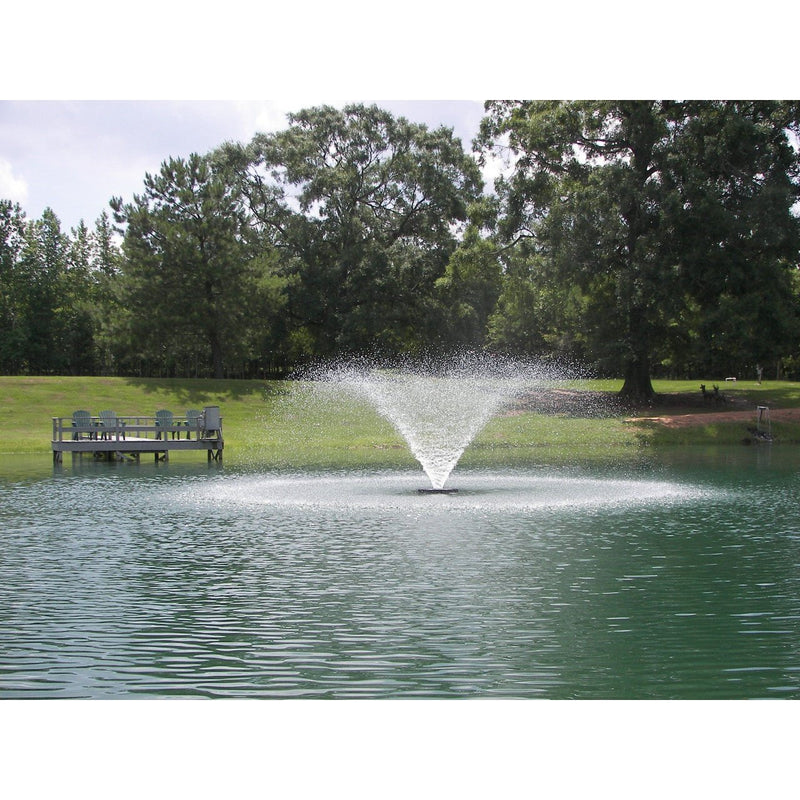
The primary distinction between a decorative fountain and a surface aerator lies in the ratio of pressure to flow. A decorative fountain, such as the Kasco J Series, utilizes a pump chamber and nozzle to restrict water flow, creating high pressure to propel water into specific, aesthetically pleasing patterns. While this provides some localized gas exchange, the mechanical energy is largely consumed by the friction of the nozzle and the vertical lift required for the display.
In contrast, a Kasco surface aerator (AF Series) is engineered for maximum volume. It employs an open-propeller design that moves significantly more water per kilowatt of energy consumed. This high-volume agitation creates a "boil" or "crown" effect at the surface, which is the most efficient method for increasing Dissolved Oxygen (DO) levels in shallow water bodies. The technical metric used to measure this efficiency is Standard Aeration Efficiency (SAE), defined as the pounds of oxygen transferred per horsepower per hour.
Surface aerators typically achieve an SAE of 3.0 lbs of oxygen per HP/hr or higher. Decorative fountains often fall between 1.5 and 2.5 SAE because their mechanical design prioritizes head pressure over volume. In real-world terms, this means a 1 HP surface aerator will provide nearly double the biological benefit of a 1 HP decorative fountain, despite using the same amount of electricity.
Mechanical Principles of Gas Exchange
Oxygen transfer in a pond occurs primarily at the air-water interface. The rate of transfer is dictated by the surface area of the water exposed to the atmosphere and the level of turbulence at that interface. Kasco surface aerators optimize this process through several specific mechanical actions.
First, the high-speed propeller breaks the surface tension of the water, creating millions of small droplets. Each droplet has a high surface-area-to-volume ratio, allowing it to absorb atmospheric oxygen and vent unwanted gases like carbon dioxide and hydrogen sulfide as it travels through the air. When these oxygenated droplets splash back into the pond, they carry that DO into the water column.
Second, the unit creates a powerful vertical and horizontal current. This circulation ensures that the oxygenated water does not sit stagnant at the surface but is driven downward and outward. This continuous mixing prevents thermal stratification—a condition where warm, oxygen-rich water stays at the top while cool, deoxygenated water (and muck) sits at the bottom.
Sizing and Performance Metrics
Properly sizing an aeration system requires calculating the surface acreage and volume of the water body. Undersizing a system leads to localized "dead zones" where organic matter continues to accumulate, while oversizing can lead to unnecessary energy costs. General engineering standards for Kasco units are as follows:
- Surface Aerators (AF Series): 1 Horsepower per surface acre. For example, the 2400AF (1/2 HP) is rated for up to 1/2 acre, while the 8400AF (2 HP) handles up to 2 acres.
- Aerating Fountains (VFX Series): 1.5 Horsepower per surface acre. Because these units must balance a "V" shaped display with aeration, they require more power to achieve the same oxygenation as a dedicated aerator.
- Decorative Fountains (J Series): 2 to 3 Horsepower per surface acre. These are primarily for aesthetics and should not be relied upon as the sole source of aeration in high-demand environments.
Minimum operating depth is another critical variable. Kasco units are designed for shallow-water performance. The 1/2 HP models require only 15 inches of water, while the larger 2 HP units require approximately 20 inches. This makes them ideal for retention ponds and aquaculture raceways where depth is limited.
Benefits of High-Volume Surface Aeration
The practical benefits of high-volume aeration extend beyond fish survival. A healthy pond relies on aerobic (oxygen-breathing) beneficial bacteria to consume organic waste. These bacteria are roughly 20 times more efficient at breaking down muck and nutrients than anaerobic bacteria. By maintaining high DO levels, the surface aerator turns the entire pond into a biological filter.
Consistent circulation also mitigates the risk of algae blooms. Many species of nuisance algae, such as blue-green algae (cyanobacteria), thrive in stagnant, stratified water. The physical turbulence created by a Kasco surface aerator disrupts their lifecycle and prevents them from forming dense surface mats. Furthermore, by speeding up the decomposition of phosphorus and nitrogen at the pond bottom, the aerator starves the algae of its primary food source.
Mosquito control is an additional mechanical byproduct. Mosquitoes require still water to lay eggs and for larvae to develop. The constant surface agitation created by a 3400AF or 4400AF unit makes the pond an unsuitable breeding ground, providing a chemical-free method of pest reduction.
Challenges and Common Maintenance Pitfalls
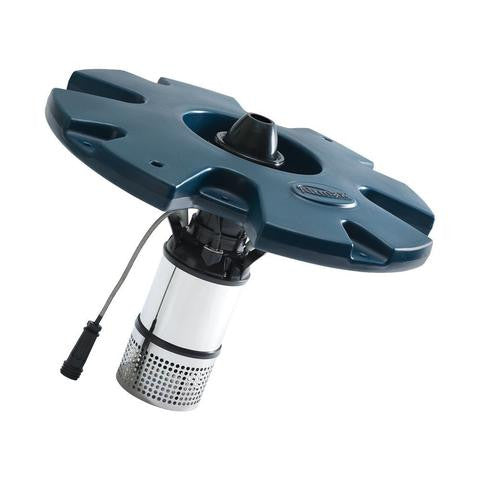
Mechanical systems operating 24/7 in an aquatic environment face specific stressors. The most common pitfall is the accumulation of debris. While the AF and VFX series use open propellers designed to shred minor organic matter, heavy weed growth or plastic waste can clog the intake. Using an optional bottom screen can prevent large objects from entering the propeller chamber, but these screens must be inspected and cleaned periodically.
Mooring and anchoring are often overlooked. If a unit is not properly secured with high-grade nylon ropes or stainless steel cables, the torque of the motor can cause the unit to migrate or twist the power cord. This tension can eventually lead to cord failure or seal damage. Kasco recommends a "three-point" mooring system for larger units to ensure stability in windy conditions or high-flow environments.
Electrical maintenance is mandatory for longevity. All units should be connected to a GFCI-protected control panel. Power cords should be inspected annually for nicks or abrasions caused by wildlife or equipment. In saltwater or high-mineral environments, the sacrificial zinc anode must be checked every six months; if it is more than 50% consumed, it must be replaced to protect the stainless steel motor housing from galvanic corrosion.
Limitations and Environmental Constraints
Surface aeration is highly effective for water bodies up to 8 feet deep. However, its effectiveness diminishes in very deep lakes. In water deeper than 10-12 feet, a surface aerator cannot effectively "pull" the bottom water up for gas exchange, leaving a cold, anaerobic layer at the floor. In these scenarios, a diffused (bottom-up) aeration system like the Kasco RobustAire is a more appropriate choice, often used in conjunction with a surface unit.
Environmental trade-offs also exist regarding aesthetics and noise. A surface aerator produces a loud, splashing sound and a low-profile water "boil." If the primary goal is a quiet, elegant 20-foot spray pattern for a wedding venue or corporate park, a J Series fountain is the correct tool, even if it requires a higher horsepower motor to achieve the necessary biological turnover.
Technical Comparison: J Series vs. VFX Series vs. AF Series
Selecting the right hardware requires a direct comparison of performance vs. visual output. The following table outlines the technical hierarchy of Kasco's primary surface systems.
| Feature | AF Series (Aerator) | VFX Series (Aerating Fountain) | J Series (Decorative) |
|---|---|---|---|
| Primary Focus | Maximum Oxygen Transfer | Balance of Flow & Display | Aesthetic Display |
| SAE Rating | 3.0+ lbs O2/HP/hr | 2.0 - 2.6 lbs O2/HP/hr | 1.5 - 2.0 lbs O2/HP/hr |
| Propeller/Impeller | Open, 2-Blade Weedless | High-Flow Propeller | Pressure-Focused Impeller |
| Sizing Rule | 1 HP per Acre | 1.5 HP per Acre | 2.5 HP per Acre |
| Nozzle Options | None (Industrial Boil) | Fixed "V" Pattern | 5+ Interchangeable Nozzles |
Practical Tips for Operational Efficiency
Running an aerator 24 hours a day is often necessary during the peak of summer, but efficiency can be gained through smart scheduling. Oxygen levels are typically at their lowest just before dawn because plants and algae consume oxygen at night (respiration) instead of producing it (photosynthesis). If budget or power constraints exist, prioritizing nighttime operation is the most effective strategy for preventing fish kills.
Regularly clearing the motor cage is the simplest way to maintain flow. Even a small amount of plastic wrap or a clump of filamentous algae around the propeller shaft can increase amp draw, causing the motor to run hotter and reducing the lifespan of the internal mechanical seals. Monitoring the running amperage of the unit with a clamp meter can provide an early warning of mechanical stress before the unit's thermal overload protector trips.
Positioning is also strategic. In irregularly shaped ponds, place the unit in the largest open area to maximize horizontal circulation. In long, narrow canals, a Kasco Circulator may be more effective than a vertical surface aerator to push water down the length of the channel. Avoid placing units too close to the shore where they might pull in silt or shallow-rooted aquatic plants.
Advanced Engineering Considerations
Kasco motors are engineered for industrial durability. They utilize an oil-cooled design that provides superior heat dissipation compared to water-cooled motors, especially in warm climates. The oil also acts as a lubricant for the internal ball bearings and provides a secondary barrier against water intrusion. These motors operate at 1750 RPM, a speed chosen to balance high water volume with minimal mechanical wear.
The use of 300-series stainless steel for all exposed metal components ensures resistance to corrosion, even in brackish water. The internal mechanical seal is made of hard-face carbon-ceramic materials, which are designed to withstand the abrasive nature of suspended solids in pond water. For engineers and professional managers, these specifications represent a significant reduction in Total Cost of Ownership (TCO) compared to lower-cost consumer-grade pumps.
Real-World Application: Wastewater vs. HOAs
In a municipal wastewater lagoon, aesthetics are irrelevant. The objective is to move enough oxygen to support the aerobic digestion of organic solids. A series of 5.1AF (5 HP) surface aerators would be the standard choice here, providing maximum SAE and ensuring the lagoon remains odor-free and compliant with discharge regulations.
In a residential Homeowners Association (HOA) pond, the requirements are split. Residents want a "fountain," but the pond is receiving nutrient-heavy runoff from fertilized lawns. A VFX Series unit is the optimal compromise. It provides the visual "V" pattern the residents expect while moving enough water (GPM) to keep the pond from turning into a stagnant algae mat. If the pond is particularly large or prone to muck, the HOA might install a central J Series fountain for beauty and several hidden AF Series aerators in the coves to handle the biological heavy lifting.
Final Thoughts
Choosing between a decorative fountain and a surface aerator is a choice between form and function. While a fountain provides an undeniable visual upgrade to any property, the mechanical efficiency of a surface aerator is unmatched for maintaining the long-term biological health of a pond. The data shows that the high-volume, low-pressure approach of the AF Series offers the best return on investment for dissolved oxygen transfer.
By focusing on SAE ratings and sizing your system according to horsepower-per-acre standards, you ensure that your water body remains a productive, clear, and odor-free environment. Whether you are managing a commercial aquaculture facility or a community retention pond, the engineering behind Kasco's surface systems provides the necessary tools to keep your pond's biological heart beating.
Consider evaluating your pond’s current DO levels and nutrient load before making a final equipment selection. Experimenting with different mooring positions or adding a diffused aeration system to a deep pond can further optimize the performance of your Kasco units, leading to a more resilient aquatic ecosystem.