

The Most Common Pond Management Mistakes Pond Owners Make
Most pond owners treat the symptoms, not the cause. Are you making these 5 classic pond management blunders? Shift from 'guess-and-check' to precision management and watch your water clear up instantly.
The Most Common Pond Management Mistakes Pond Owners Make
Pond management is frequently approached as an aesthetic endeavor rather than a complex biological and chemical engineering challenge. This fundamental misunderstanding leads to a cycle of reactive treatments that often exacerbate the underlying imbalances within the aquatic ecosystem. Precision pond management requires an objective analysis of water chemistry, nutrient loading, and biological demand to maintain long-term stability.
Most failures in pond health stem from ignoring the "limiting factors" of the environment. In many freshwater systems, phosphorus is the primary limiting nutrient for primary productivity. When phosphorus levels exceed specific thresholds, usually around 0.03 mg/L, the system shifts into a eutrophic state characterized by excessive algal biomass and oxygen depletion. Standard management often ignores these concentrations until a visible bloom occurs.
Real-world applications of precision management are seen in industrial aquaculture and high-end stormwater retention systems. These environments prioritize data over visual cues. A mistake in a commercial fish farm, such as a drop in dissolved oxygen (DO) below 3.0 mg/L, results in immediate economic loss. Residential and recreational pond owners often operate with the same high-risk factors but without the monitoring infrastructure to detect them before they become catastrophic.
Common mistakes include the over-reliance on broad-spectrum algaecides without addressing the nutrient "legacy" in the sediment. Every time algae is killed chemically, it sinks and decomposes, releasing its stored nitrogen and phosphorus back into the water column. This "internal loading" fuels the next, often more aggressive, bloom. Breaking this cycle requires a shift from reactive chemical application to mechanical and biological optimization.
How Precision Pond Management Works
Precision management utilizes a data-driven approach to stabilize the three pillars of pond health: physical, chemical, and biological parameters. The process starts with a baseline water quality analysis. This includes measuring pH, alkalinity, total phosphorus (TP), and dissolved oxygen profiles across different depths. Measuring only the surface water is a frequent error, as the most critical biological activity often occurs at the sediment-water interface.
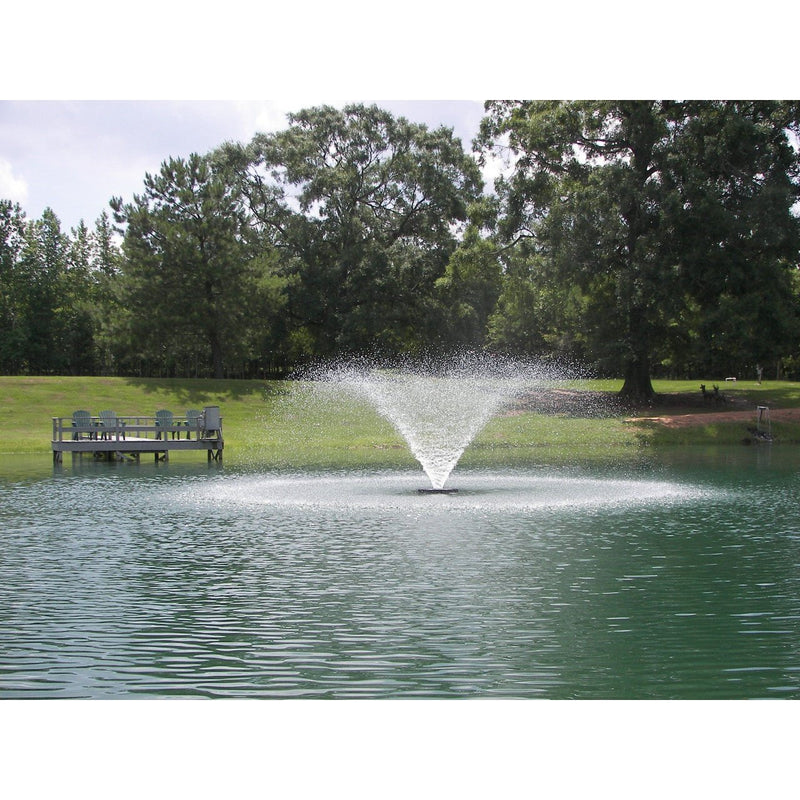
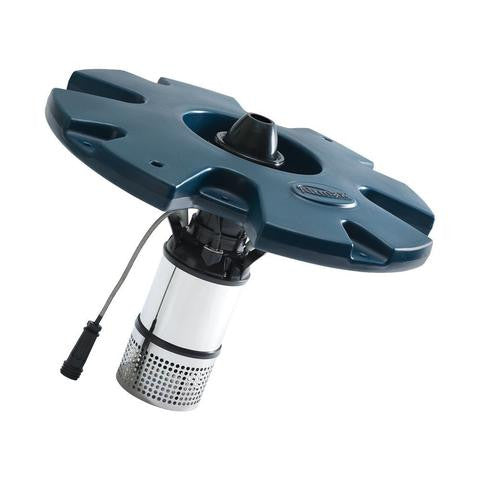
Aeration systems must be designed based on Standard Aeration Efficiency (SAE) metrics rather than just horsepower. A precision-designed system accounts for the pond's volume, shape, and biological oxygen demand (BOD). For example, diffused aeration is more efficient in deeper ponds (over 8 feet) because it utilizes the entire water column to facilitate gas exchange. Surface fountains, while aesthetically pleasing, often fail to circulate the cooler, oxygen-depleted water at the bottom.
Nutrient sequestration is the next step in the process. Instead of simply killing algae, precision management uses binders like lanthanum-modified bentonite or aluminum sulfate (alum) to permanently lock phosphorus into the sediment. This prevents the nutrient from being bio-available for future plant growth. This "locking" mechanism is calculated based on the stoichiometric ratio required to bind the specific mass of phosphorus present in the water and the top layers of muck.
Biological augmentation follows the chemical stabilization. High-concentration beneficial bacteria, measured in billions of Colony Forming Units (CFUs) per gram, are introduced to the system. These aerobic bacteria compete with algae for remaining nutrients and consume the organic sludge (muck) on the pond floor. Proactive inoculation ensures that the bacterial populations are robust enough to handle seasonal spikes in organic loading, such as autumn leaf fall or summer fish metabolic peaks.
Benefits of Precision Management
The primary benefit of a technical management approach is long-term ecological stability. By maintaining dissolved oxygen levels between 5.0 and 8.0 mg/L, the pond supports a healthy aerobic environment. This prevents the formation of hydrogen sulfide and other toxic gases that are produced during anaerobic decomposition. Fish populations thrive in these conditions, showing better growth rates and lower disease susceptibility.
Economic efficiency is another significant advantage. While precision equipment and sensors require an initial investment, they reduce the long-term expenditure on expensive chemical treatments. Monitoring nutrient levels allows pond managers to apply binders only when necessary, rather than following a generic calendar-based schedule. This targeted application maximizes the return on investment for every gallon of treatment used.
Water clarity is a measurable output of balanced chemistry. When phosphorus is sequestered and beneficial bacteria are active, the abundance of suspended phytoplankton (single-cell algae) decreases. This increases the Secchi disk depth—a standard metric for water transparency. Clearer water allows for deeper sunlight penetration, which supports the growth of beneficial submerged aquatic vegetation (SAV) that further stabilizes the ecosystem.
Mechanical longevity of pond components is often overlooked. Precision management reduces the accumulation of organic muck, which can otherwise clog pump intakes and reduce the functional depth of the pond. Maintaining a consistent water volume ensures that the hydraulic retention time (HRT) remains optimal for natural filtration processes. A pond that is 50% filled with muck has 50% less time to process incoming pollutants before they exit the system.
Challenges and Common Pitfalls
One major challenge is the "lag time" associated with biological solutions. Unlike algaecides, which can show results within 48 hours, beneficial bacteria and nutrient binders may take weeks or even months to fundamentally alter the pond's state. Impatient pond owners often revert to chemical treatments during this transition period, which can shock the developing bacterial colonies and reset the progress.
Sensor maintenance is a frequent point of failure in precision systems. Dissolved oxygen probes and pH sensors require regular calibration to remain accurate. Biofouling, where algae or bacteria grow on the sensor tip, can lead to "drift" in the data. Decisions made based on inaccurate data can be more harmful than no data at all. A reported DO level of 6.0 mg/L that is actually 2.0 mg/L due to sensor drift can lead to unexpected fish kills.
External nutrient loading is often underestimated. A pond manager may successfully bind all the phosphorus currently in the pond, only for the next heavy rain to wash in a fresh supply from nearby fertilized lawns or agricultural runoff. Failure to establish "buffer zones" or use sediment traps at the pond's inlet points means the system will always be in a state of catch-up. Precision management must extend beyond the water's edge to be truly effective.
Incorrect species identification for both plants and bacteria is a common mistake. Not all "pond cleaners" are the same. Some bacteria strains are designed for cold-water applications (below 55°F), while others are optimized for high-temperature muck digestion. Applying a warm-weather bacterial blend in early spring is a waste of resources, as the microbes will remain dormant or die before they can perform any useful work.
Limitations of Standard Management
Standard pond management is often limited by its "one-size-fits-all" nature. Most retail products are formulated for the average backyard pond, which may not account for local variations in water hardness or source water quality. For instance, in areas with very low alkalinity (below 20 ppm), the pond's pH can swing wildly throughout the day, causing severe stress to the biology. Retail treatments rarely address these fundamental "buffer" issues.
Environmental extremes can also overwhelm standard systems. During a heatwave, the oxygen-carrying capacity of water drops significantly. At 80°F, water can hold about 40% less oxygen than at 52°F. A standard aeration system that works fine in May may be completely insufficient in August. Precision management anticipates these seasonal shifts by using variable-speed controllers or secondary aeration units that trigger based on real-time temperature and DO sensors.
Scale is another limiting factor. Techniques that work for a 2,000-gallon garden pond do not translate directly to a 5-acre lake. The volume-to-surface-area ratio changes, and the sheer mass of water makes certain chemical treatments prohibitively expensive. In larger systems, mechanical harvesting or large-scale dredging might be more efficient than bio-augmentation, but these require professional-grade equipment and permits.
Standard Treatment vs. Precision Management
| Factor | Standard Treatment | Precision Management |
|---|---|---|
| Monitoring | Visual cues only (green water, smell) | Sensors for DO, pH, Temp, Nutrients |
| Intervention | Reactive (kill the bloom) | Proactive (sequester nutrients) |
| Cost Structure | Low Capex, High Opex (chemicals) | High Capex, Low Opex (efficiency) |
| Ecological Impact | Unstable (boom and bust cycles) | Stable (balanced ecosystem) |
| Goal | Aesthetic clarity | Functional health and stability |
Practical Tips for Precision Success
Establish a regular testing schedule to build a historical data set for your pond. Monthly tests for Phosphorus, Nitrogen, and Alkalinity are sufficient for most systems, but daily monitoring of Dissolved Oxygen is critical during the summer months. Handheld digital DO meters are now affordable for most practitioners and provide much higher accuracy than chemical drop tests.
Focus on alkalinity as the foundation of your water chemistry. If your alkalinity is below 50 ppm, your pond's pH will fluctuate, making it difficult for beneficial bacteria to establish themselves. Applying agricultural limestone at a rate of 1 to 2 tons per acre can provide the necessary buffering capacity. Fall and winter are the best times for these applications, as the limestone has time to dissolve before the spring growth season begins.
Optimize your aeration system by checking for "dead zones" in the pond. Use a portable DO meter to check oxygen levels at the bottom, mid-water, and surface in various locations. If you find areas where oxygen is consistently below 4.0 mg/L, you may need to relocate your diffusers or add an additional station. Proper placement ensures that the entire volume of water is being "worked" by the system.
Manage the watershed to reduce nutrient inflow. Planting a 10-foot "no-mow" buffer strip around the pond's edge with native grasses and sedges can filter out a significant percentage of nitrogen and phosphorus from runoff. Avoid using fertilizers with phosphorus (the middle number on the bag, e.g., 10-0-10) within 50 feet of the water's edge to minimize direct loading.
Advanced Considerations in Pond Science
Redox potential (Reduction-Oxidation) is a more advanced metric that serious practitioners use to gauge the health of the pond floor. A high, positive redox potential indicates an aerobic environment where organic matter is being broken down efficiently. A negative redox potential signals an anaerobic state where toxic methane and hydrogen sulfide are being produced. Managing for a positive redox state is the key to "bio-dredging" or reducing muck without mechanical removal.
Thermocline dynamics play a massive role in larger ponds. During the summer, water can stratify into layers: the warm, oxygen-rich epilimnion on top and the cold, anoxic hypolimnion on the bottom. If these layers mix too quickly—such as during a cold summer rain or a windstorm—it can cause a "turnover" that rapidly depletes oxygen throughout the entire pond. Precision aeration prevents this stratification from occurring in the first place.
Nutrient ratios, specifically the Nitrogen to Phosphorus (N:P) ratio, can dictate which type of algae will dominate. Blue-green algae (cyanobacteria) often thrive in environments with low N:P ratios because they can "fix" nitrogen from the air. By increasing the available nitrogen or, more effectively, drastically reducing the phosphorus, pond managers can shift the dominance away from toxic cyanobacteria toward more beneficial green algae and diatoms.
Lanthanum-modified clay represents the current peak of nutrient sequestration technology. Unlike older alum treatments, lanthanum does not affect the pH of the water and is not toxic to aquatic life even in soft-water conditions. It creates a permanent bond with phosphate ions, forming a mineral called rhabdophane that is highly stable. This mineral layer on the sediment also acts as a "cap" that prevents phosphorus from leaching back into the water during low-oxygen events.
Case Study: 1-Acre Precision Conversion
A 1-acre pond in a residential area suffered from chronic pea-soup water and seasonal fish kills. Baseline testing showed phosphorus levels at 0.15 mg/L (five times the eutrophic threshold) and bottom oxygen levels at 0.8 mg/L during July. The owner had been spending $1,200 annually on copper-based algaecides with only temporary results.
Management shifted to a precision model. First, a 3/4 HP diffused aeration system was installed to eliminate stratification. Second, a calculated dose of lanthanum-modified clay was applied to bind the 0.15 mg/L of phosphorus. Third, a weekly inoculation of 10 billion CFU/gram bacteria was started to address the 12 inches of muck on the bottom. Total initial conversion cost was $4,500.
Results after 12 months were significant. Phosphorus levels dropped to 0.02 mg/L and remained stable. Bottom oxygen levels never fell below 5.2 mg/L, even during a record heatwave. Muck levels were reduced by 3 inches through biological digestion. The annual maintenance cost dropped to $600 for bacteria and electricity, providing a full return on the conversion investment within four years while providing permanent water clarity.
Final Thoughts
Precision pond management is the transition from being a spectator to being a steward of an aquatic ecosystem. By focusing on the underlying chemical and physical drivers of water quality, rather than just the visible symptoms, owners can create self-sustaining environments. The shift requires a commitment to data collection and an understanding of the mass-balance of nutrients, but the results are indisputable.
Implementing these strategies effectively ends the cycle of chemical dependency. Healthy ponds are not achieved through more products, but through better optimization of existing biological processes. Monitoring oxygen, sequestering phosphorus, and fostering beneficial bacteria create a foundation that can withstand environmental stressors and maintain clarity for years to face.
Exploring the specific chemistry of your pond is the first step toward this precision model. Start with a comprehensive water test and use the results to guide your next equipment or treatment purchase. Mastery of these technical details ensures that your pond remains a highlight of your property rather than a source of constant maintenance frustration.