

Neglected Pond? Here’s How I’d Fix It
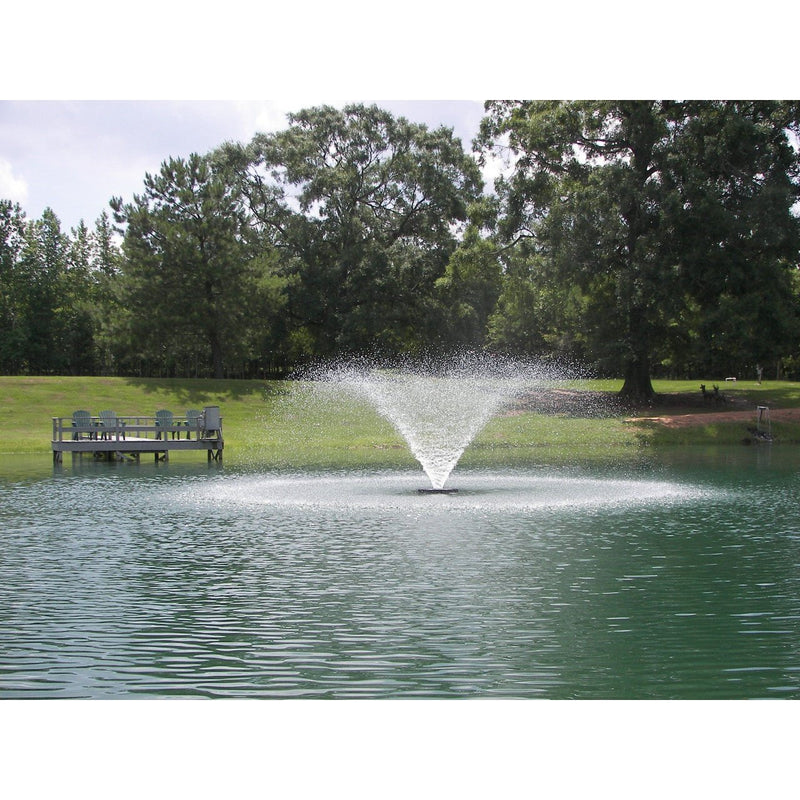
See the transformation: From a stagnant swamp to a pristine backyard ecosystem. A neglected pond isn't just an eyesore—it's an ecosystem out of balance. Stop fighting the algae and start fixing the system. Here is the exact checklist I use to turn a chaotic 'green swamp' back into a clear, orderly oasis.
Neglected Pond? Here’s How I’d Fix It
A neglected pond is technically defined as a body of water experiencing advanced eutrophication. This state occurs when an overabundance of nutrients—primarily nitrogen and phosphorus—fuels rapid algal growth and accumulation of organic matter. In a stagnant environment, the absence of gas exchange leads to anoxia at the benthic (bottom) level, resulting in anaerobic decomposition.
Anaerobic processes are inefficient and produce toxic byproducts such as hydrogen sulfide (H2S) and methane (CH4). These gases contribute to the characteristic "rotten egg" odor and significantly lower the Oxidation-Reduction Potential (ORP) of the water. Fixing a neglected pond requires a shift from an anaerobic, nutrient-rich "Neglected Chaos" to an aerobic, balanced "Restored Order." This transition is achieved through mechanical nutrient removal, biological stabilization, and optimized gas exchange.
The Mechanics of Restoration: How It Works
Restoring a pond system requires re-establishing the biological nitrogen cycle and optimizing mechanical filtration to handle the existing organic load. The process involves three primary technical phases: stabilization of water chemistry, mechanical extraction of solids, and the implementation of high-efficiency biological filtration.
The Nitrogen Cycle and Water Chemistry
Nitrification is the biological process where ammonia (NH3) is converted into nitrite (NO2) and then into nitrate (NO3). This process is driven by specialized bacteria: Nitrosomonas and Nitrobacter. These bacteria require high levels of dissolved oxygen (DO) and a stable pH to function effectively.
Technical parameters for a restored pond include:
- Ammonia (NH3): 0 mg/L. Concentrations as low as 0.25 ppm can cause gill damage in fish.
- Nitrite (NO2): 0 mg/L. Nitrite competes with oxygen in the bloodstream of fish, causing "brown blood disease."
- Nitrate (NO3): < 30 mg/L. While less toxic than ammonia, high levels feed filamentous algae.
- pH: 6.5 – 8.5. Consistency is critical; fluctuations of more than 0.5 units per day cause physiological stress.
- Carbonate Hardness (KH): 6° – 10° dH (100-180 ppm). KH acts as a buffer for pH and is consumed by nitrifying bacteria as a carbon source.
- Phosphates (PO4): < 0.03 mg/L. Phosphate is the limiting nutrient for most algae species.
Mechanical and Biological Filtration Specs
Mechanical filtration must remove 100% of visible debris before water reaches the biological stage. This prevents "channeling" in bio-media, where water bypasses the bacteria due to sludge buildup. Biological filtration capacity is measured by Specific Surface Area (SSA). Professional-grade media, such as K1 or Matala, provide high SSA to volume ratios, often exceeding 300 sq. ft. per cubic foot.
Benefits of Mechanical and Biological Optimization
Implementing an engineered restoration plan provides measurable performance improvements over "natural" or neglected states.
Increased Dissolved Oxygen (DO) Stability
Restored systems maintain DO levels between 5 and 8 mg/L. In neglected ponds, DO often drops below 1 mg/L at night when photosynthesis stops and bacterial respiration peaks. Stable DO levels prevent fish kills and ensure that aerobic bacteria can continuously process waste.
Optimization of Clarity (NTU)
Water clarity is scientifically measured in Nephelometric Turbidity Units (NTU). A restored system utilizes UV-C sterilization to coagulate single-celled algae (Chlorella), allowing mechanical filters to trap them. This results in water with an NTU rating near zero, providing total transparency to the pond floor.
Enhanced Bio-Security
A balanced system with high ORP (Oxidation-Reduction Potential) naturally suppresses pathogenic bacteria like Aeromonas and Pseudomonas. ORP levels of 250-400 mV indicate an environment where organic pollutants are actively being oxidized, reducing the risk of fish disease.
Challenges and Common Pitfalls
Restoration is not without risks, particularly when dealing with high volumes of accumulated muck (sludge).
Anaerobic Gas Release
Disturbing thick layers of pond muck without adequate aeration can release massive amounts of hydrogen sulfide. This gas is highly toxic and can cause immediate fish mortality. Restoration must always begin with surface-to-bottom aeration to safely oxidize these gases.
KH Depletion (Old Pond Syndrome)
Nitrification consumes alkalinity. For every 1 ppm of ammonia converted, approximately 7 ppm of KH is used. In neglected ponds with high ammonia loads, the KH can be completely exhausted, leading to a "pH crash." Monitoring and supplementing KH using sodium bicarbonate is mandatory during the initial cleanup phase.
System Shock
Rapidly changing water parameters (such as a 50% water change with untreated tap water) can kill existing beneficial bacteria and stress fish. Technical restoration utilizes "drip-feed" water changes and heavy inoculation with concentrated bacterial strains to maintain stability.
Limitations: When Mechanical Fixes Aren't Enough
Physical and environmental constraints can limit the effectiveness of even the best engineering.
Surface-to-Volume Ratio
Shallow ponds with high surface areas are prone to rapid temperature fluctuations and high evaporation rates. These factors concentrate nutrients and salts, making it difficult to maintain chemical equilibrium. A pond depth of at least 3-4 feet is generally required for thermal stability.
Eutrophic Inflow
If the pond receives constant nutrient runoff from fertilized lawns or agricultural fields, no amount of filtration can maintain clarity. In these cases, watershed management (e.g., creating a vegetative buffer zone) is the only permanent solution.
Seasonal Thermal Stratification
In deep ponds, water can stratify into layers (thermoclines). The bottom layer (hypolimnion) can become completely anoxic even if the surface is well-oxygenated. Specialized bottom-diffused aeration is required to break these layers, as surface fountains often fail to reach the depth necessary for total turnover.
Comparison: Surface Aeration vs. Bottom-Diffused Aeration
The choice of aeration hardware significantly impacts the efficiency of the restoration.
| Metric | Surface Aeration (Fountains) | Bottom-Diffused Aeration |
|---|---|---|
| Primary Function | Aesthetics / Surface Agitation | Total Water Column Turnover |
| Oxygen Transfer Efficiency | Low (2-3% per meter) | High (Up to 4% per meter of depth) |
| Muck Digestion Power | Negligible at bottom | Maximum (Promotes aerobic bacteria) |
| Energy Consumption | High (Large pumps required) | Low (Efficient air compressors) |
| Stratification Breaking | Ineffective below 4 feet | Highly effective at all depths |
Practical Tips for System Tuning
To optimize a pond system, use precise calculations for hardware selection.
- Pump Turnover Rate: Aim for a turnover rate of 1.5x the total pond volume per hour. For a 2,000-gallon pond, select a pump that delivers 3,000 GPH at your specific Total Dynamic Head (TDH).
- UV-C Sizing: Use 10 watts of UV-C light per 1,000 gallons for basic clarification (green water control) and 30 watts per 1,000 gallons for full sterilization (pathogen control).
- Aeration Flow: For Koi ponds, provide 0.5 to 1.0 CFM (Cubic Feet per Minute) of air per 1,000 gallons. Ensure your compressor can handle the PSI (pounds per square inch) required for your diffuser's depth.
- Phosphate Removal: If PO4 levels exceed 0.05 ppm, consider using Lanthanum Chloride in a drip-feed system to precipitate phosphates into a fine solid that can be captured by a 10-micron mechanical filter.
Advanced Considerations: Redox Potential and ORP
Serious practitioners use Oxidation-Reduction Potential (ORP) as the primary metric for water quality. ORP measures the "cleansing power" of the water in millivolts (mV).
A reading of 150 mV or lower indicates high levels of organic pollution and anaerobic conditions. A healthy, clear pond typically operates between 250 mV and 400 mV. Achieving these levels requires a high "Redox potential," which can be boosted through increased aeration, ozone injection, or the controlled use of oxidants like potassium permanganate (KMnO4).
Note that ORP is inversely related to pH; as pH rises, ORP naturally falls. Therefore, evaluating ORP trends is more useful than single-point measurements. Sustained ORP levels above 300 mV effectively prevent the accumulation of "muck" by ensuring that organic inputs are oxidized faster than they can settle.
Example Scenario: Restoring a 5,000-Gallon "Swamp"
Consider a 5,000-gallon pond that has been neglected for three years. It features 6 inches of anaerobic muck, zero visibility (pea-green water), and an ORP of 120 mV.
Step 1: Oxygenation. Install a rocking piston compressor delivering 2.5 CFM to two bottom diffusers. This increases DO from 2 mg/L to 7 mg/L within 24 hours, safely venting H2S.
Step 2: Nutrient Precipitation. Dose the pond with a flocculant to bind suspended solids. Simultaneously, introduce muck-digesting bacteria at a rate of 1 lb per 1,000 square feet. With oxygen now present, these bacteria can reduce muck levels by up to 1 inch per month.
Step 3: Mechanical Extraction. Run a 7,500 GPH pump through a bead filter rated for 10,000 gallons. The excess capacity (1.5x turnover) ensures rapid removal of the precipitated solids.
Step 4: UV-C Integration. Install a 150-watt UV-C sterilizer (30W/1,000 gal). Within 5 days, the single-celled algae are eradicated, and water clarity reaches the bottom of the pond.
Step 5: Maintenance. Monitor KH weekly. Add sodium bicarbonate to maintain 150 ppm, ensuring the biological filter has the carbon source needed to process the newly released ammonia from the decaying muck.
Final Thoughts
The transition from a stagnant swamp to a pristine ecosystem is a matter of engineering rather than luck. By focusing on the mechanics of the nitrogen cycle, optimizing gas exchange through bottom-diffused aeration, and maintaining a high ORP, you can reverse years of neglect in a matter of weeks.
Sustainable pond management requires moving away from temporary chemical fixes and toward permanent system optimization. Prioritize high SSA filter media, proper pump sizing based on TDH, and consistent monitoring of KH and DO. These technical foundations create a stable environment where biology can flourish without constant human intervention.
Experimenting with advanced tools like ORP meters and Lanthanum-based phosphate removers will further refine your system's efficiency. A truly restored pond is a high-performance biological reactor that maintains crystal-clear water through sheer mechanical and biological balance.