

Natural Bass Pond Management
Are you masking the symptoms of a sick pond or fixing the underlying system? Artificial blue water looks 'pretty' on camera, but it often creates a biological desert. Here’s how to use nature’s own filtration systems to keep your bass pond clean, clear, and teeming with life.
Pond management often relies on cosmetic fixes that provide immediate visual gratification but degrade the long-term health of the ecosystem. Achieving a high-performance bass pond requires shifting focus from external chemical inputs to internal biological efficiency. This approach treats the pond as a closed-loop system where energy and nutrients must be cycled effectively rather than suppressed.
Managing a pond naturally involves understanding the chemical and biological interactions that govern water quality. When these systems are optimized, maintenance costs decrease and the carrying capacity for trophy bass increases. This guide provides the technical framework necessary to transition from chemical dependency to biological balance.
Natural Bass Pond Management
Natural bass pond management is the practice of utilizing ecological processes to maintain water quality and fish health. It prioritizes the establishment of self-sustaining nutrient cycles over the application of synthetic algaecides and dyes. In this framework, the pond is viewed as a living processor where bacteria, plants, and microorganisms convert waste into biomass.
In a standard chemically managed pond, the goal is often the total eradication of organic matter and algae. This creates a sterile environment where the food chain is broken at its base. Natural management, conversely, fosters a controlled level of primary productivity. This ensures that the zooplankton and macroinvertebrates required for juvenile bass growth have sufficient resources to thrive.
Real-world application of this method involves the strategic use of aeration, beneficial microbial populations, and aquatic vegetation. These components work in tandem to process nitrogen and phosphorus, the two primary drivers of pond eutrophication. By managing these nutrients biologically, the pond avoids the "boom and bust" cycles of algae blooms and subsequent oxygen crashes common in treated systems.
Analogy: Think of a pond as a factory. Chemicals are like shutting down the assembly line to clean it. Natural management is like optimizing the machines to process waste into a secondary product automatically. The latter results in continuous operation and higher output without the need for constant intervention.
How Biological Filtration and Nutrient Cycling Works
The core of a natural pond system is the nitrogen cycle. Fish waste, decaying organic matter, and uneaten feed produce ammonia (NH3). Ammonia is highly toxic to fish, particularly in high pH environments. In an optimized system, nitrifying bacteria—specifically Nitrosomonas and Nitrobacter—convert ammonia into nitrite (NO2) and then into nitrate (NO3).
Nitrate is significantly less toxic and serves as a primary nutrient for aquatic plants and phytoplankton. This conversion occurs on every available surface within the pond, from the gravel on the bottom to the stalks of submerged plants. Increasing the available surface area for these bacterial colonies is a fundamental step in improving the pond’s "biological filter."
Phosphorus management is the second pillar of this process. Unlike nitrogen, phosphorus does not have a gas phase; it remains in the system until it is physically removed or sequestered. In natural management, we use "nutrient sinks" such as emergent macrophytes (wetland plants) to lock phosphorus into plant tissue. When these plants are harvested or maintained, the phosphorus is prevented from fueling nuisance filamentous algae.
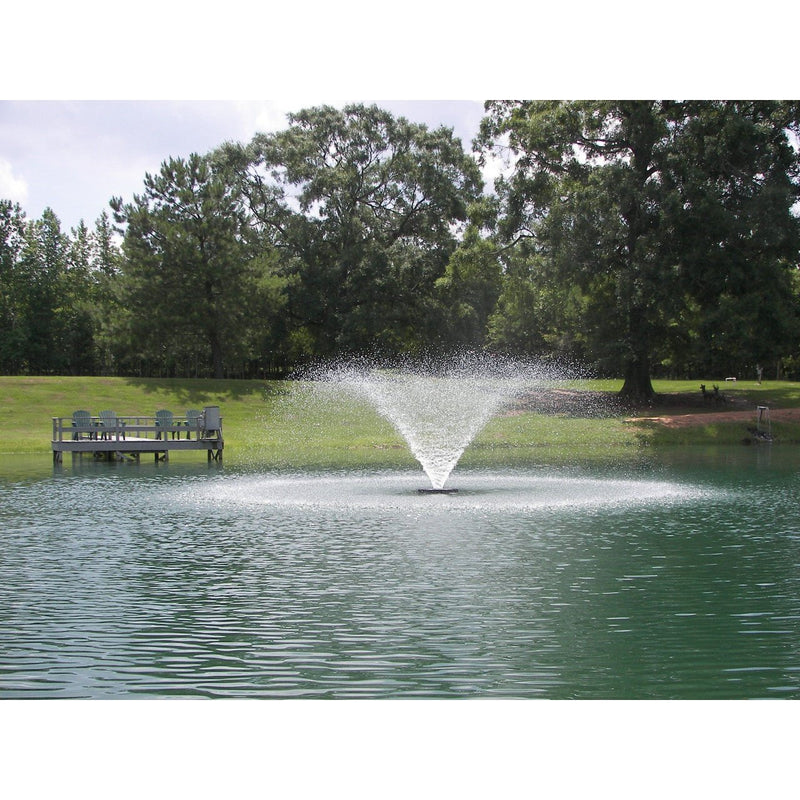
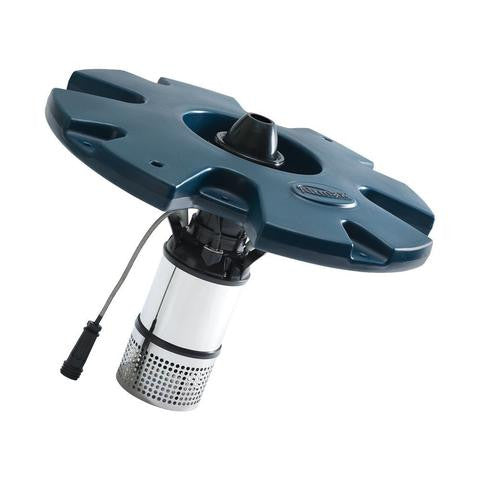
Dissolved oxygen (DO) levels drive the efficiency of these processes. Aerobic bacteria require oxygen to process waste. If the bottom of the pond becomes anaerobic (oxygen-depleted), the decomposition process slows down and releases toxic gases like hydrogen sulfide. Bottom-diffused aeration systems are used to maintain high DO levels across the sediment-water interface, ensuring that "muck" is digested biologically rather than accumulating.
The Role of Phytoplankton
Phytoplankton represents the base of the pond's food web. These microscopic algae convert sunlight and nutrients into energy. A healthy "bloom" of phytoplankton gives the water a slight green tint, indicating a productive system. This bloom shades the bottom, preventing the growth of invasive submersed weeds while providing food for the zooplankton that feed young bass and forage fish.
Benefits of Biological Balance
The primary advantage of biological management is system stability. Chemically treated ponds suffer from rapid fluctuations in oxygen and pH. When an algaecide kills a large mass of algae, the resulting decay consumes massive amounts of oxygen, often leading to fish kills. A biologically balanced pond maintains steady parameters, which reduces stress on the bass and promotes consistent growth rates.
Efficiency in biomass production is another measurable benefit. In a "biological desert" created by excessive dyes and chemicals, the lack of primary productivity means you must rely on expensive supplemental feeding to grow large bass. Natural systems produce a higher volume of "natural" food—crayfish, bluegill, and insects—reducing the cost per pound of bass weight gain.
Long-term cost-effectiveness is often overlooked. While the initial setup of aeration and strategic planting may be higher than a bottle of dye, the annual expenditure on chemicals decreases significantly over time. Natural systems require less labor and fewer "emergency" interventions. The pond becomes a self-regulating asset rather than a constant maintenance liability.
Finally, there is the benefit of aesthetic authenticity. A pond managed through natural processes has a clear, vibrant appearance that reflects a healthy ecosystem. This is distinct from the opaque, artificial blue of dyed ponds. Clearer water allows for better predator-prey interactions, as Largemouth Bass are sight-oriented hunters that thrive in environments where they can target forage effectively.
Challenges and Common Mistakes
The most frequent mistake in natural pond management is the "wait and see" approach to nutrient loading. Many owners ignore the accumulation of organic matter until the pond reaches a tipping point of toxic algae blooms. At this stage, biological intervention takes longer to show results compared to immediate chemical suppression, leading many to revert to chemicals out of frustration.
Inadequate aeration design is another technical pitfall. Simply "bubbling" the water is not enough. If the aeration system is underpowered or the diffusers are poorly placed, "dead zones" will persist at the bottom. These zones continue to accumulate muck and release nutrients, undermining the biological filtration efforts. Accurate mapping of the pond's bathymetry is required to ensure total water column destratification.
Misidentification of plant species often leads to management failure. Not all "weeds" are bad. Removing beneficial native plants like American Pondweed can open a niche for invasive species like Hydrilla or Coontail. Successful managers must learn to distinguish between structural habitat and nuisance vegetation. Over-clearing a pond of all vegetation removes the very filters that keep the water clean.
Underestimating external nutrient inputs is a major challenge. If a pond receives runoff from a fertilized lawn or a cattle pasture, the biological system may be overwhelmed. Without addressing the source of the nutrients—perhaps through a buffer strip of tall grasses—the pond will remain in a state of constant eutrophication regardless of how much beneficial bacteria you add.
Limitations and Environmental Constraints
Natural pond management is not a "one-size-fits-all" solution. In certain environments, such as very shallow ponds (less than 5 feet deep), maintaining a cool, oxygenated environment is physically difficult. Shallow water heats up rapidly, and warm water holds less oxygen. In these cases, biological processes may struggle to keep up with the rate of organic decay during peak summer months.
Ponds with high "flushing rates"—where water enters and leaves the system very quickly—are also difficult to manage biologically. Beneficial bacteria and plankton populations are constantly being washed downstream. In these situations, the pond functions more like a widening in a stream than a lake, and different management strategies focused on flow dynamics are required.
The presence of certain invasive species can also limit the success of a purely natural approach. Species like Common Carp or Grass Carp can destroy the aquatic vegetation needed for filtration. If these species are present in high densities, they will outpace the system's ability to regenerate, necessitating a removal phase before biological balance can be re-established.
Finally, geographical location dictates the biological "speed" of the pond. Ponds in northern climates have a shorter growing season, meaning biological filtration slows down significantly in winter. While the system remains healthy, the rate of muck digestion and nutrient uptake is reduced compared to ponds in the southern United States.
Chemical Dye vs. Biological Filtration
| Feature | Chemical Dye Management | Biological Filtration |
|---|---|---|
| Primary Mechanism | Light blockage (UV inhibition) | Nutrient sequestration and cycling |
| Impact on Food Chain | Reduces zooplankton and forage base | Enhances primary productivity |
| Maintenance Frequency | Monthly or after heavy rain | Low (once system is established) |
| Long-term Cost | High (recurring chemical cost) | Low (electricity for aeration) |
| Oxygen Levels | Risk of depletion from decay | Consistently high via aeration |
Practical Tips for Implementation
Start by assessing your pond's current nutrient load. A simple Secchi disk test can measure water transparency. If your transparency is less than 12 inches due to an algae bloom, your nutrient levels are excessively high. The goal for a productive bass pond is usually 18 to 24 inches of clarity, which allows enough light for plant growth while maintaining a healthy plankton bloom.
Introduce beneficial bacteria in concentrated "doses" during the spring and summer. These microbes compete with algae for available nutrients. For maximum efficiency, use a blend that includes species designed for "sludge" or "muck" digestion. These bacteria settle at the bottom and begin breaking down the organic layer that fuels future algae growth.
Establish "littoral shelf" plantings. These are shallow areas (0-3 feet deep) where you can plant native emergent vegetation like Pickerelweed, Arrowhead, or various Sedges. These plants act as a biological filter for runoff entering the pond. They also provide critical ambush cover for bass and nursery habitat for forage fish.
Optimize your aeration schedule. While many run aeration 24/7, the most critical time is during the night and early morning when plants are not photosynthesizing and are actually consuming oxygen. However, for muck digestion, continuous operation is generally recommended to keep the bacterial colonies active at the sediment interface.
Advanced Considerations: Redox Potential and Carbon Ratios
Serious practitioners monitor the Oxidation-Reduction Potential (ORP) or "Redox" of the pond water. Redox measures the ability of the water to cleanse itself. A high, positive Redox potential indicates an oxidizing environment where organic matter is broken down efficiently. A low or negative Redox indicates a reducing environment where toxins like ammonia and methane are likely to accumulate.
The Carbon-to-Nitrogen (C:N) ratio also plays a role in bacterial efficiency. If a pond has a high volume of woody debris (high carbon) but low nitrogen, bacterial decomposition slows down. Conversely, in many bass ponds, the ratio is skewed by high nitrogen (from feed or runoff). In these cases, adding structured carbon sources—like certain types of specialized bio-media—can actually help bacteria process nitrogen more effectively.
Scaling these systems requires calculating the "Volume Turnover Rate." For biological filtration to be effective, the total volume of the pond should be moved or "turned over" by the aeration system at least 1.5 to 2 times every 24 hours. This ensures that no part of the pond remains stagnant and that oxygen is evenly distributed to all bacterial colonies.
Example Scenario: Restoring a 1-Acre Eutrophic Pond
Consider a 1-acre pond with a 2-foot muck layer and frequent summer fish kills. The traditional approach would be to dump copper sulfate to kill the algae and dye the water blue. This might provide temporary clarity but would add to the muck layer as the dead algae sinks, worsening the problem for the following year.
Using natural management, the process would look like this:
- Month 1: Install a sub-surface diffused aeration system with two diffuser plates at the deepest points. Begin 24/7 operation to slowly oxygenate the bottom.
- Month 2: Apply a high-concentration dose of muck-digesting bacteria. Monitor dissolved oxygen levels to ensure the sudden boost in biological activity doesn't drop DO levels too low.
- Month 3: Plant a 10-foot wide buffer of native aquatic plants around the primary runoff entry points.
- Results: By the end of the first season, the muck layer may decrease by 3-6 inches. By year two, the "internal" nutrient loading is reduced to the point where algae blooms are manageable, and bass growth rates increase due to a more stable oxygen environment and a healthier forage base.
Final Thoughts
Natural bass pond management is a transition from fighting nature to harnessing it. By focusing on oxygenation, bacterial activity, and nutrient sequestration, you create a system that is inherently stable and productive. This approach eliminates the "biological desert" effect of chemical dyes and replaces it with a thriving, complex ecosystem capable of producing trophy-class bass.
Success in this field requires patience and a commitment to understanding the underlying mechanics of your pond. While chemicals offer a quick fix, they are a recurring expense that masks deeper issues. Biological management is an investment in the pond's infrastructure that pays dividends in water quality, fish health, and reduced long-term maintenance.
Interested readers should begin by evaluating their pond's current state and identifying the primary nutrient sources. Implementing even a small-scale aeration system or a single zone of native plants can initiate the shift toward a more balanced and efficient aquatic environment.