

How To Reduce Pond Weed Growth Without Killing Fish
Kill the weeds too fast, and you kill the fish. Here is the 'Integrated' approach to a clean pond. Aggressive weed treatments often cause oxygen crashes. Learn the integrated method to reduce weed growth while keeping your fish thriving and safe.
Managing an aquatic ecosystem requires a shift from reactive "weed killing" to proactive "nutrient management." Many pond owners encounter a cycle of boom-and-bust: weeds proliferate, a heavy dose of herbicide is applied, the weeds die and rot, and the resulting oxygen depletion leads to a fish kill. This outcome is predictable through the lens of biochemical oxygen demand (BOD).
The integrated approach treats the pond as a biological processor. By balancing mechanical aeration, biological augmentation, and staggered chemical interventions, it is possible to achieve clear water without compromising the survival of the resident fish population. This guide provides the technical framework for implementing these systems.
How To Reduce Pond Weed Growth Without Killing Fish
Integrated pond management is the practice of controlling aquatic vegetation through multiple, synergistic methods rather than relying on a single chemical input. In real-world application, this involves identifying the limiting factors of the pond—usually phosphorus and nitrogen—and systematically reducing them while maintaining dissolved oxygen (DO) levels.
The primary reason fish die during weed treatments is not the toxicity of the chemical itself, but the secondary effect of plant decomposition. As aquatic plants die, aerobic bacteria consume them. These bacteria require massive amounts of oxygen to fuel the decay process. If the volume of decaying organic matter is too high, the bacteria will strip the water of oxygen faster than it can be replenished via surface diffusion or photosynthesis.
Visualizing the pond as a battery is helpful. Sunlight and plants "charge" the pond with oxygen during the day. Respiration and decay "drain" that charge at night. An integrated approach ensures the "drain" never exceeds the "charge" to a level that reaches the 2-3 parts per million (ppm) threshold where fish mortality occurs.
How the Integrated System Works
The system operates on three primary tiers: Nutrient Limitation, Oxygen Support, and Targeted Suppression. Each tier must be optimized to ensure the others function correctly.
Nutrient Sequestration and Limitation
Aquatic weeds and algae thrive on dissolved phosphorus. High concentrations of phosphorus (above 0.03 mg/L) often trigger eutrophic conditions. Using sequestration agents like aluminum sulfate (alum) or lanthanum-modified clay allows a manager to "lock" phosphorus into the sediment, making it unavailable to plants. This mechanical-chemical process creates a "nutrient sink" that slows the regrowth rate of weeds after a treatment.
Oxygenation via Subsurface Diffusion
Maintaining high DO levels is the most critical safety net. Subsurface diffused aeration uses a shore-based compressor to pump air to diffusers on the pond floor. This creates an "airlift" effect, moving cold, oxygen-depleted water from the bottom to the surface for gas exchange. By increasing the baseline DO, the pond can handle a higher BOD without crashing.
Staggered Chemical Intervention
When chemicals are necessary, they must be applied using a fractional approach. Instead of treating 100% of the pond, only 25% to 33% of the surface area is treated in a single session. A 10-to-14-day waiting period follows, allowing the bacteria to finish decomposing the first batch of weeds before the next section is targeted. This prevents the cumulative BOD from exceeding the pond’s aerobic capacity.
Benefits of the Integrated Approach
Transitioning to an integrated system offers measurable improvements in both ecosystem stability and long-term maintenance costs.
- Reduced Fish Mortality: By keeping DO levels above 5 ppm even during decay cycles, the risk of losing high-value fish like bass or koi is virtually eliminated.
- Longer Treatment Intervals: Because nutrient sequestration addresses the root cause (phosphorus), the frequency of herbicide applications can be reduced by 50% to 70% over a three-year period.
- Improved Water Clarity: Aeration and biological additives stimulate the breakdown of "muck" (organic sediment), leading to higher Secchi disk readings and better aesthetic quality.
- Efficiency of Biological Processes: Aerobic bacteria are 10 to 20 times more efficient at processing waste than anaerobic bacteria. Continuous aeration ensures these beneficial microbes remain in the dominant growth phase.
Challenges and Common Mistakes
The most common failure point is the "Late Summer Treatment Trap." During July and August, water temperatures are high, and warm water holds significantly less oxygen than cold water. Treating a pond at 85°F is exponentially riskier than treating it at 65°F.
Another frequent error is the miscalculation of pond volume. Many herbicides are dosed in "acre-feet." An acre-foot is the volume of water covering one acre to a depth of one foot (325,851 gallons). Underestimating this volume leads to ineffective treatments, while overestimating can lead to chemical concentrations that reach the LC50 (lethal concentration for 50% of the population) for certain sensitive fish species.
Neglecting the "Sunrise Dip" is also a critical mistake. Oxygen levels are naturally at their lowest just before dawn because plants have been respiring (consuming oxygen) all night. If a pond is already on the edge of a crash, the dawn hours are when the fish will succumb. Managers should monitor DO at 5:00 AM to see the true "stress test" of the pond.
Limitations of the Integrated Method
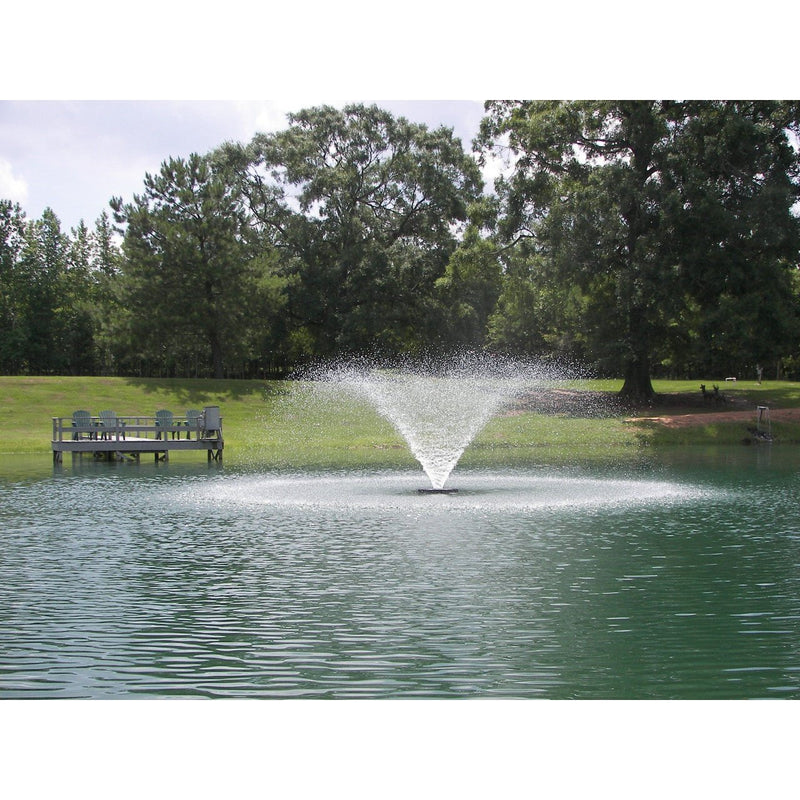
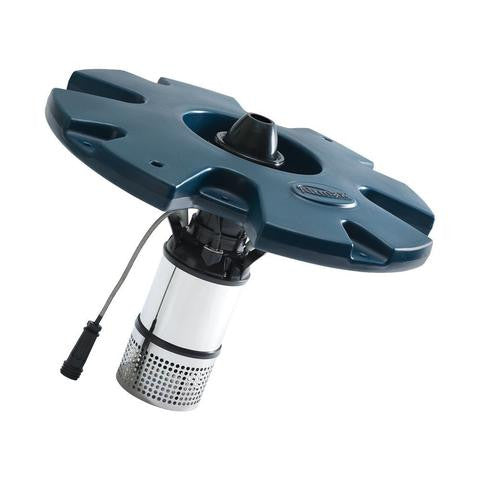
Environmental constraints can sometimes limit the effectiveness of this approach. In very shallow ponds (less than 4 feet deep), subsurface diffused aeration is less efficient because the air bubbles do not have enough "hang time" in the water column to create a strong airlift. In these cases, surface aerators or fountains may be required, despite their higher operational cost.
Extreme nutrient loading from external sources also poses a challenge. If a pond receives constant runoff from a heavily fertilized golf course or an agricultural field, chemical sequestration will be a temporary fix. Without a vegetated buffer strip to intercept the runoff, the pond will remain in a permanent state of nutrient surplus, regardless of internal management efforts.
Finally, certain invasive species like Hydrilla or Watermilfoil are so aggressive that biological controls like Grass Carp may be required as a permanent supplement. However, Grass Carp are non-selective and may consume desirable native vegetation if the pond is overstocked.
Isolated Weed Killing vs. Integrated Ecosystem Balance
The following table compares the two philosophies across mechanical and biological metrics.
| Metric | Isolated Weed Killing | Integrated Ecosystem Balance |
|---|---|---|
| Primary Goal | Visual Clearance (Immediate) | Nutrient Stability (Long-term) |
| Oxygen Risk | High (Acute BOD spikes) | Low (Continuous Aeration) |
| Chemical Usage | High / Frequent | Low / Targeted |
| Muck Accumulation | Increases (Dead plants settle) | Decreases (Bacterial digestion) |
| Maintenance Cost | Lower Upfront / Higher Recurring | Higher Upfront / Lower Recurring |
Practical Tips for Pond Optimization
Implementing an integrated approach requires attention to specific mechanical details. Small adjustments in hardware and timing can yield significant results in water quality.
- Sizing the Compressor: Ensure your aeration system provides at least 1.0 to 1.5 CFM (Cubic Feet per Minute) of air per surface acre. This ensures the entire water volume is "turned over" at least once every 24 hours.
- Use Muck Pellets: Deploy concentrated beneficial bacteria in pellet form. These sink into the sediment and target the "black muck" layer where phosphorus is most concentrated.
- Monitor Alkalinity: If using copper-based algaecides, test your water's alkalinity first. In "soft" water (low alkalinity), copper is much more toxic to fish. Never treat with copper if alkalinity is below 50 ppm without consulting a specialist.
- Dye as a Tool: Use aquatic dyes (blue or black) early in the spring. By shading the bottom, you limit the sunlight available for rooted weed germination, reducing the need for herbicides later in the season.
- Vegetated Buffers: Allow a 5-to-10-foot "no-mow" zone around the pond perimeter. Tall grasses and native flowers act as a natural filter, trapping nitrogen from lawn runoff before it enters the water.
Advanced Considerations: Redox Potential and BOD
Serious practitioners should understand the concept of Oxidation-Reduction Potential (ORP) or Redox. ORP measures the pond's ability to "clean itself." A positive ORP (above 200mV) indicates an oxidizing environment where organic matter is being efficiently broken down. A negative ORP indicates an anaerobic environment where toxic gases like hydrogen sulfide are produced.
Calculating the BOD load is also essential for large-scale operations. If a pond has 10,000 lbs of wet vegetation, and that vegetation is 10% dry matter, a 100% kill would release a massive amount of carbon into the water. Knowing that 1 lb of decaying organic matter can consume nearly 1.5 lbs of oxygen allows for precise planning of aeration capacity versus treatment volume.
Using systemic herbicides like Fluridone can be an advanced strategy for whole-pond management. Unlike contact herbicides that kill in 48 hours, Fluridone works over 30 to 90 days. This slow "yellowing" and death of the plants spreads the oxygen demand over months rather than days, making it significantly safer for fish in large, weed-choked bodies of water.
Scenario: Restoring a 1-Acre Eutrophic Pond
Consider a 1-acre pond with 70% coverage of Coontail and a 6-inch layer of organic muck. The following 4-month plan demonstrates the integrated approach in practice.
Month 1: Infrastructure. Install a 1/4 HP rocking piston compressor with two dual-disc diffusers. Run the system 24/7. Begin application of beneficial bacteria at double the maintenance dose to jumpstart the "muck" digestion.
Month 2: Initial Suppression. Apply a chelated copper algaecide to the shoreline area (approx. 0.25 acres) to clear recreational access. Wait 14 days. Apply a systemic herbicide (like Fluridone) at a low dose (10-20 ppb) to the entire water body. This slow-acting dose will not cause an oxygen crash but will stop the growth of the Coontail.
Month 3: Nutrient Sequestration. Once the Coontail begins to show signs of chlorosis (whitening), apply lanthanum-modified clay to bind the phosphorus being released by the dying plants. This prevents a secondary algae bloom.
Month 4: Maintenance. Reduce bacteria dosing to maintenance levels. Monitor DO levels. The pond should now show increased clarity and a significant reduction in weed biomass, with zero fish stress observed.
Final Thoughts
The transition from "weed killing" to "ecosystem management" is a mechanical and chemical optimization process. By understanding the relationship between plant decay, bacterial activity, and dissolved oxygen, pond owners can maintain clear water without the recurring threat of fish kills. The integrated approach is not about eliminating all life, but about managing the inputs to ensure the outputs remain stable.
Successful pond management requires patience. Rapid changes in water chemistry almost always lead to biological failure. By using aeration as the foundation and treating herbicides as a secondary "reset" tool, you create a resilient environment that requires less intervention over time. Experiment with different bacteria strains and monitor your DO levels to find the specific balance that works for your pond's unique depth and nutrient profile.