

Fish Can Die During Heat Waves - Can Pond Aeration Protect Them?
Hot water holds less air. Is your pond prepared for the heat? When water temps climb, oxygen levels plummet. Without aeration, a 95-degree day can wipe out years of growth in hours. Here is how to 'over-oxygenate' your pond to build a safety net before the next heat wave hits.
Pond management during extreme thermal events requires a move away from passive observation toward active mechanical intervention. Most pond owners operate on a "Consumer" model of management, reacting to problems only after fish begin gasping at the surface. Professional "Producer" resilience involves over-engineering the dissolved oxygen (DO) capacity of the system to ensure that even at peak water temperatures, the biological oxygen demand (BOD) never exceeds the system's ability to replenish it.
Understanding the physics of gas solubility is the first step in creating this safety net. Oxygen dissolves into water through a process of diffusion governed by Henry's Law, which dictates that the amount of dissolved gas in a liquid is proportional to its partial pressure. As temperature increases, the kinetic energy of water molecules rises, making it harder for oxygen molecules to remain in solution. This creates a dangerous paradox: just as the water's ability to hold oxygen reaches its annual low, the metabolic demand of the fish reaches its annual high.
How To Prevent Fish Kills During a Heat Wave
Aeration acts as the primary mechanical defense against hypoxia—a state where dissolved oxygen levels fall below the threshold required for fish survival. In the context of a heat wave, aeration serves two critical functions: gas exchange and thermal destratification. By physically moving water and breaking the surface tension, aerators allow carbon dioxide and methane to vent into the atmosphere while simultaneously forcing atmospheric oxygen into the water column.
Fish kills during heat waves are rarely the result of heat alone. Instead, they are caused by the "Dissolved Oxygen Squeeze." In a typical unmanaged pond, the sun warms the surface layer (the epilimnion), making it less dense. This layer floats on top of the cooler, deeper water (the hypolimnion). Because oxygen is only produced in the sunlit surface layer through photosynthesis or absorbed at the interface, the bottom layer becomes stagnant and anoxic. When a heat wave strikes, the fish are pushed out of the cooling depths due to lack of oxygen and forced into the hot surface water where oxygen is also dwindling. This squeeze creates a lethal environment where no refuge exists.
Mechanical aeration prevents this by creating a continuous "turnover" or mixing effect. Properly sized systems can move enough water to prevent thermal layering, ensuring that the entire volume of the pond remains oxygenated. This allows fish to access the cooler, deeper water safely, effectively expanding their usable habitat during the hottest hours of the day.
How to "Over-Oxygenate" Your Pond: A Technical Protocol
Over-oxygenating does not refer to reaching dangerous levels of supersaturation, but rather to maximizing the Standard Oxygen Transfer Rate (SOTR) of your equipment so that the Actual Oxygen Transfer Rate (AOTR) remains sufficient even under adverse conditions. To build this safety net, you must optimize three mechanical variables: surface-to-volume ratio, bubble residence time, and nocturnal compensation.
1. Maximize Surface-to-Volume Ratio
Oxygen transfer occurs at the interface between air and water. Increasing this interface area is essential. Surface aerators achieve this by splashing water into the air, creating millions of tiny droplets. Diffused aeration systems achieve this by releasing bubbles from the pond floor. To "over-oxygenate," practitioners should utilize fine-bubble diffusers rather than coarse-bubble units. Fine bubbles (typically 1–3 mm in diameter) have a significantly higher total surface area per cubic foot of air than large bubbles, leading to a much higher oxygen transfer efficiency.
2. Increase Bubble Residence Time
The longer a bubble stays in contact with the water, the more oxygen it can transfer. This is why diffuser placement is critical. In deep ponds, placing diffusers at the deepest point maximizes the vertical travel distance, increasing residence time. However, during a heat wave, you may need to increase the CFM (Cubic Feet per Minute) output of your compressor to create a stronger "airlift" effect, which ensures that even the most stagnant bottom water is brought to the surface for gas exchange.
3. Nocturnal Compensation and Photosynthetic Lag
Plants and algae produce oxygen during the day via photosynthesis, but they switch to respiration at night, consuming oxygen alongside the fish. The lowest DO levels always occur just before dawn. To over-oxygenate, you must run your aeration systems 24/7 during a heat wave. Relying on daytime-only operation is a common mistake that ignores the massive nocturnal oxygen drain caused by biological respiration.
Benefits of Mechanical Resilience
Operating an optimized aeration system provides measurable advantages that extend beyond mere survival. These benefits center on stabilizing the chemical environment and accelerating the breakdown of organic waste.
Consistent Metabolic Support: Fish are ectotherms; their body temperature and metabolic rate are determined by the water around them. A 10°C (18°F) rise in temperature can double or triple a fish's oxygen requirement. High-capacity aeration ensures that these increased metabolic needs are met, preventing growth stunting and immune system suppression caused by chronic low-DO stress.
Reduced Biological Oxygen Demand (BOD): Much of the oxygen in a pond is consumed not by fish, but by the bacteria decomposing "muck" and organic debris at the bottom. Aeration supports aerobic bacteria, which are far more efficient at decomposition than anaerobic bacteria. By maintaining high DO levels at the sediment-water interface, you reduce the accumulation of organic matter, which in turn lowers the long-term oxygen demand of the pond.
Elimination of Harmful Gasses: Heat waves often coincide with calm winds, leading to the buildup of hydrogen sulfide and ammonia in the lower layers of the pond. Mechanical mixing vents these toxic gasses, preventing a "turnover" event where a sudden storm could mix these toxins into the surface water and cause an immediate fish kill.
Challenges and Common Pitfalls
Maintaining high oxygen levels in extreme heat is technically demanding and carries specific risks if executed incorrectly. Understanding these pitfalls is vital for serious practitioners.
Mechanical Fatigue: Air compressors and surface aerators generate significant internal heat. During a 100-degree day, a poorly ventilated compressor cabinet can reach temperatures exceeding 140 degrees, leading to motor failure exactly when the pond needs it most. Ensuring adequate airflow and using high-temp-rated components is a requirement for a resilient setup.
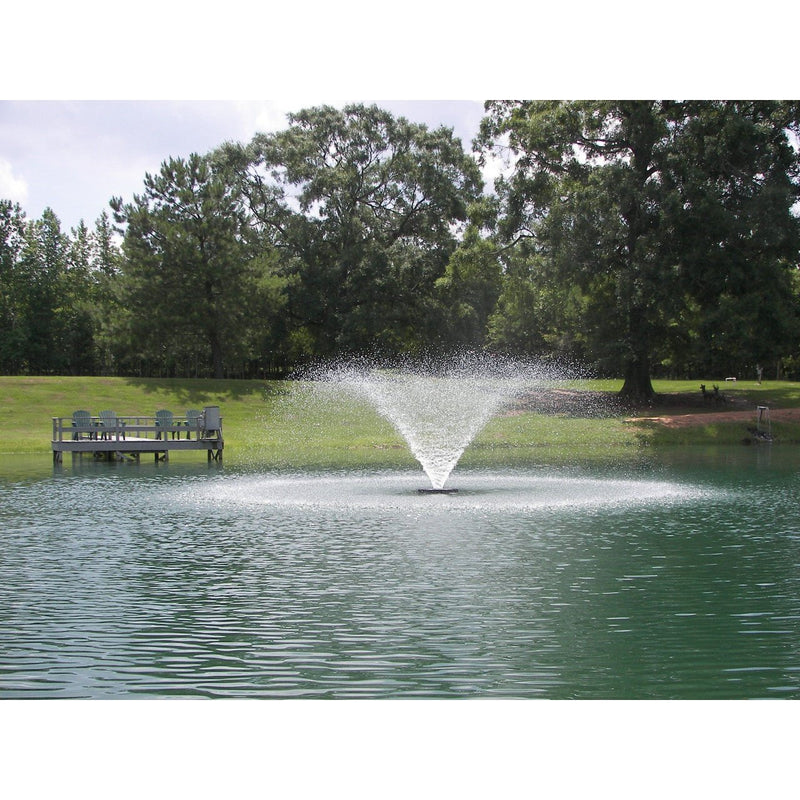
The Fallacy of the Fountain: Many pond owners install decorative fountains, believing they provide adequate aeration. In reality, most fountains pull water from the top 12–24 inches of the pond and spray it in large, heavy droplets. These units are aesthetically pleasing but provide very little oxygen transfer for the deep water. They fail to address the thermal stratification that causes fish kills.
Over-Stocking the System: Aeration is a life-support system. Some owners use aeration to push their fish populations beyond the natural carrying capacity of the pond. This is a high-risk strategy; if the power fails or a compressor breaks during a heat wave, the oxygen levels in an over-stocked pond will crash much faster than in a naturally balanced one.
Limitations and Environmental Constraints
Aeration is not a magic bullet, and certain physical constraints can limit its effectiveness. Identifying these limitations allows for better planning and expectations management.
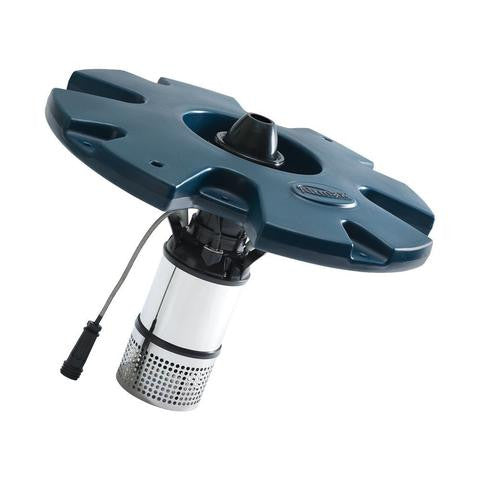
Shallow Pond Constraints: Diffused aeration relies on the "water column" to be effective. In ponds shallower than 4 to 6 feet, the bubbles do not have enough time to transfer significant oxygen before they reach the surface. In these environments, surface-agitators or "circulators" are more effective because they rely on horizontal water movement rather than vertical lift.
Turbidity and Thermal Gain: Highly turbid (muddy) water absorbs more solar radiation than clear water, leading to faster heating. If a pond has high clay turbidity, even the best aeration system will struggle to keep temperatures down. In these cases, reducing the pond's thermal gain through dyes or shading may be necessary to complement the aeration system.
Electrical Infrastructure: Running high-output compressors requires a reliable power source. Many remote ponds are limited by the gauge of the wire running from the main power box. Voltage drops over long distances can cause motors to run hot and fail prematurely. "Producer" resilience often requires upgrading to 240V systems to maintain efficiency over long distances.
Comparative Efficiency: Surface vs. Diffused Aeration
Choosing the right hardware depends on the specific metrics of your pond. The following table compares the two primary methods used by professional pond managers to achieve high DO levels.
| Feature | Surface Aerator (Agitator) | Diffused Aeration (Sub-surface) |
|---|---|---|
| Standard Aeration Efficiency (SAE) | 1.5 – 3.0 lb O2/hp-hr | 6.0 – 12.0 lb O2/hp-hr |
| Optimal Depth | 1 – 8 feet | 8 – 40+ feet |
| Destratification Power | Low to Moderate | Very High |
| Maintenance Requirement | High (Motor in water) | Low (Shore-based compressor) |
| Power Consumption | Higher per lb of O2 | Lower per lb of O2 |
For deep-water ponds, diffused aeration is the clear winner in terms of energy efficiency and destratification. However, for shallow commercial aquaculture or "emergency" safety nets, surface aerators provide a localized high-oxygen refuge that can be deployed quickly.
Practical Tips for Heat Wave Readiness
Implement these adjustments before the thermometer hits 90 degrees to ensure your system is operating at peak efficiency.
- Clean Your Diffusers: Calcium and biological growth can clog the micro-pores in rubber diffusers. Clogged diffusers increase backpressure on the compressor, reducing airflow and increasing heat. Pull and scrub your diffusers annually with a stiff brush or a weak acid solution.
- Check Your Filters: A dirty air intake filter on your compressor forces the motor to work harder. Replace filters every 3–6 months depending on the dust levels in your area.
- Monitor Dissolved Oxygen: Serious practitioners should invest in a DO meter. Taking a reading at 5:00 AM will tell you the absolute minimum oxygen level in your pond. If your morning readings are consistently below 5 mg/L, your system is under-sized for the summer load.
- Optimize Cabinet Cooling: If your compressor is in a cabinet, ensure the cooling fan is functional. Adding a second fan or a larger vent can significantly extend the life of the internal diaphragms and bearings during a heat wave.
Advanced Considerations: Calculating Oxygen Demand
To truly "over-oxygenate," you must move beyond guesswork and calculate the actual oxygen requirements of your pond. This involves estimating the total biomass and the impact of temperature on saturation.
The Standard Oxygen Transfer Rate (SOTR) provided by manufacturers is measured at 20°C (68°F) at sea level in clean water. In the real world, the Actual Oxygen Transfer Rate (AOTR) is much lower. High temperatures (30°C+) and high altitudes can reduce transfer efficiency by 40% or more. To compensate, professionals typically size their systems to be 1.5 to 2 times larger than the "standard" recommendation. This ensures that even when efficiency drops during a heat wave, the net O2 input remains positive.
Furthermore, consider the "Oxygen Demand of the Sediments." In older ponds with heavy muck, the sediment can consume up to 50% of the total oxygen input. If you are managing an older pond, your aeration capacity must be significantly higher than that of a new, clean pond of the same size. Implementing a bio-augmentation program (adding beneficial bacteria) can help reduce this sediment demand over time, making your aeration system more effective.
Example Scenario: The 1-Acre Managed Pond
Consider a 1-acre pond with a maximum depth of 12 feet. In the spring (60°F), this pond naturally holds about 10 mg/L of oxygen. As the July heat wave arrives and water temperatures hit 92°F, the maximum saturation level drops to approximately 7 mg/L.
In an unmanaged state, the bottom 6 feet of this pond would become anoxic (0 mg/L) by mid-summer. The fish would be compressed into the top 6 feet. If a sudden thunderstorm occurs, the wind can cause the pond to "roll over," mixing that 0 mg/L water with the surface water. The resulting average DO across the entire column could drop to 3.5 mg/L—below the survival threshold for species like Large Mouth Bass.
Now, consider the same pond with a 1/2 HP diffused aeration system running 24/7. The system continuously mixes the water, keeping the entire 12-foot column at a uniform 7 mg/L. Because the water is constantly moving, the thermal gain is slightly moderated, and the toxic gasses are vented. When the same storm hits, there is no "anoxic slug" to mix in. The pond remains at 7 mg/L, and the fish experience zero stress. This is the difference between a "Consumer" outcome and a "Producer" resilience strategy.
Final Thoughts
The resilience of an aquatic ecosystem is built during the months leading up to a crisis, not during the crisis itself. By understanding the physical relationship between water temperature and gas solubility, you can transition from reactive management to a proactive "safety net" approach. Over-oxygenating through the use of high-efficiency diffusers, proper system sizing, and 24/7 operation provides the thermal and chemical stability necessary to protect your investment.
Success in pond management is defined by the ability to maintain aerobic conditions at the sediment interface during the most stressful hours of the year. While the energy and maintenance costs of a robust aeration system are non-negligible, they are a fraction of the cost required to restock a pond and wait years for fish to reach trophy sizes. Focus on mechanical optimization and data-driven monitoring to ensure your pond remains a productive environment regardless of the heat.